
No products in the cart.

 Tiếng Việt
Uncategorized @vi
What Is Indirect Grilling? A Step-by-Step Guide to Proper Technique
In the world of BBQ, indirect grilling is an essential technique that allows large cuts of meat to cook evenly, stay juicy, and avoid burning on the outside. However, many people still confuse indirect grilling with direct grilling or assume it is a complex technique that is difficult to master.
In this article, X-BBQ will help you clearly understand what indirect grilling is, when to use it, how to set up your grill correctly, and key tips to apply this technique easily and effectively—whether you are using a charcoal grill or a gas grill.
What is indirect grilling?
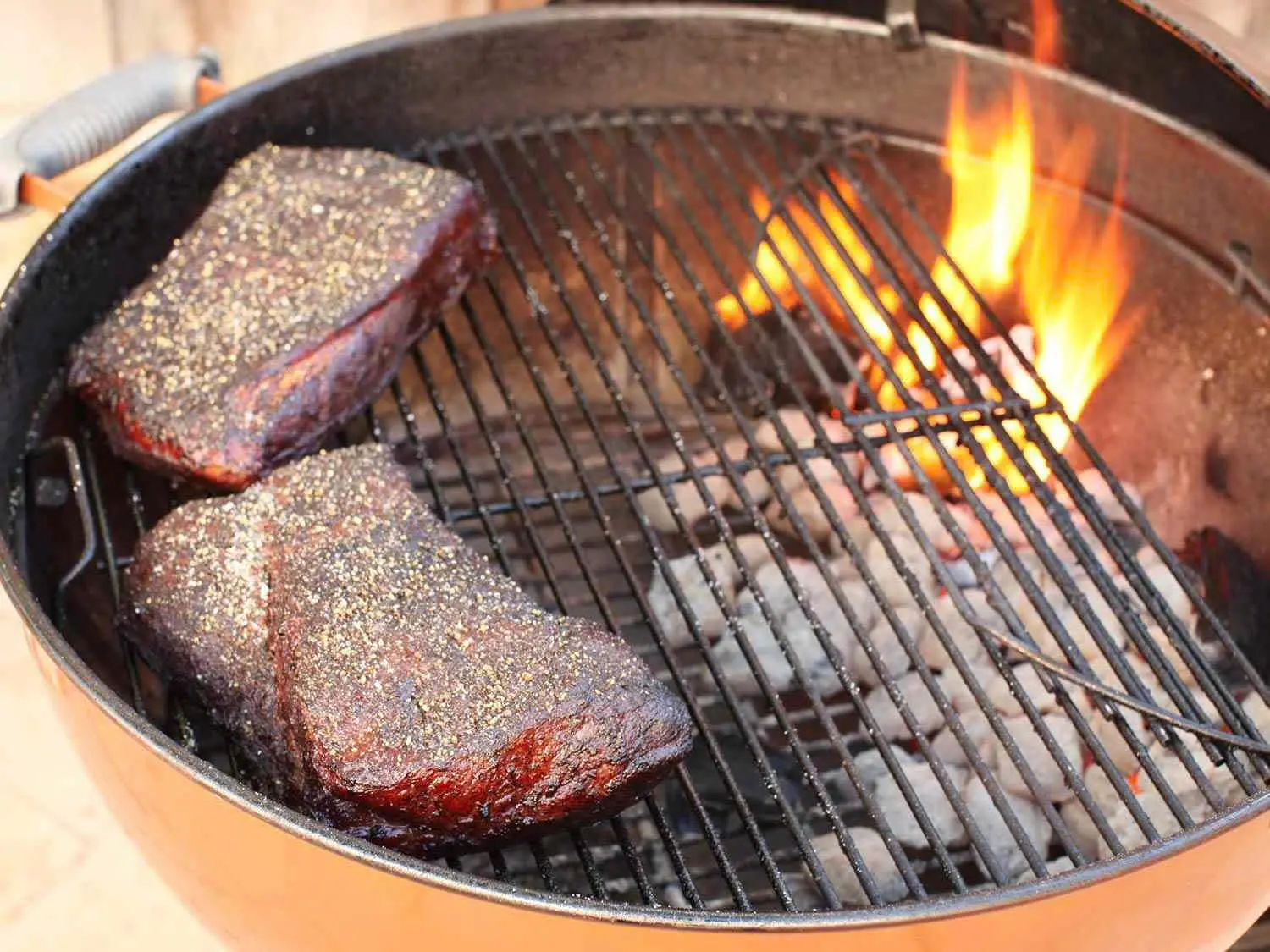
Indirect grilling is a BBQ technique where food is not placed directly over the heat source. Instead, it cooks from the heat circulating inside the grill. The heat can come from charcoal or gas burners, but it is arranged to one side, while the food sits in a zone without direct flames.
This method provides more stable temperatures, reduces the risk of burning the surface, and allows large or thick cuts of meat to cook evenly from the inside out.
Why use indirect grilling?
Indirect grilling allows food to cook evenly without burning the surface, unlike direct grilling. Since the meat is not placed directly over the flames, heat is distributed more evenly inside the grill, enabling the meat to cook from the inside out while preventing the outside from becoming charred and the inside undercooked.
This technique also helps retain moisture and tenderness. The moderate heat prevents the meat from shrinking too quickly, reduces moisture loss, and keeps it juicy after cooking.
Additionally, indirect grilling makes temperature control easier, which is especially helpful for beginners. You have more time to monitor and adjust the cooking process without worrying about flare-ups or burning.
For these reasons, indirect grilling is ideal for foods that require longer cooking times, such as whole chickens, ribs, brisket, and thick cuts of meat. Simply put, it works like an outdoor oven while still preserving the distinctive flavors of BBQ.
Ideal temperatures & Cooking times for indirect grilling
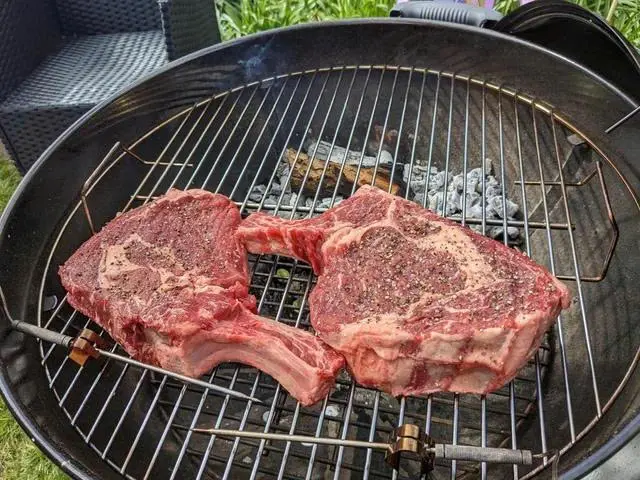
For indirect grilling, the ideal temperature is usually medium to medium-low, around 100–150°C (210–300°F). This heat level allows food to cook slowly without burning the surface, while keeping the meat tender and juicy.
Compared to direct grilling, which typically uses higher temperatures (220–300°C / 430–570°F) to sear quickly, indirect grilling relies on lower, more stable heat. This makes it perfect for dishes that require longer cooking times rather than a quick few-minute grill.
Typical cooking times for indirect grilling vary depending on the type and thickness of the food:
- Whole chicken: 60–90 minutes
- Pork ribs: 90–150 minutes
- Brisket or large cuts of meat: 3–6 hours
- Thick cuts (thick steaks, lamb legs): 30–60 minutes
These times are for reference; for the best results, it is recommended to use both a grill thermometer and a meat thermometer to accurately monitor doneness.
Preparing & Setting up your grill for indirect grilling
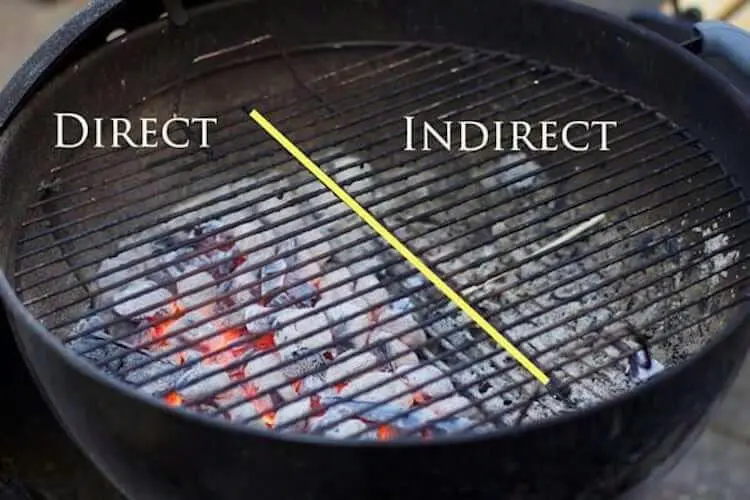
To grill indirectly effectively, you need a covered grill with properly designed air vents and a chimney to facilitate heat circulation. A key principle of indirect grilling is creating a two-zone setup: one zone with high heat (the fire source) and one zone without direct flames for placing the food.
- For charcoal grills: Arrange the coals to one side or divide them on both sides, leaving a space in the center. Place the food in the area without coals, while the heat from the glowing charcoal circulates around, cooking the meat evenly.
- For gas grills: Turn on one or two burners on one side and keep the burners directly under the food turned off, creating an indirect heat zone.
Additionally, place a drip pan under the food to catch fat, reduce flare-ups, and make cleaning easier. Essential tools for indirect grilling include a grill or meat thermometer, long tongs, a drip pan, and the grill lid to maintain stable heat throughout the cooking process.
Tips for optimizing indirect grilling
When grilling indirectly, keep the grill lid closed throughout the cooking process to ensure even heat circulation. Opening the lid too often causes heat loss, extends cooking time, and can result in unevenly cooked meat.
To accurately monitor doneness, use a meat thermometer instead of estimating by sight. The internal temperature of the meat is the key factor for a successful cook, especially for thick cuts or foods that require long cooking times.
To prevent flare-ups from dripping fat, place a drip pan under the food and avoid positioning meat too close to the heat source. If flames flare up, simply move the meat to the cooler zone and close the lid to stabilize the temperature.
Finally, for thick cuts like steaks or large roasts, you can use the reverse sear technique: cook the meat indirectly until it’s nearly done, then move it to the high-heat zone for a quick sear. This method creates a beautiful golden crust while keeping the inside tender and juicy.
Common mistakes & How to fix them in indirect grilling
A common mistake is placing food too close to the heat source, which can easily burn the surface. Always position meat in the zone without direct flames and maintain the proper two-zone setup.
Opening the grill lid too often also causes heat loss, resulting in unevenly cooked meat. The best practice is to keep the lid closed and only open it when flipping the meat or checking the temperature.
Additionally, failing to control the grill temperature can make the cooking process unstable. Use a grill thermometer and adjust the air vents (for charcoal grills) or burners (for gas grills) to maintain the proper heat.
Finally, not using a drip pan can lead to flare-ups and burnt surfaces. A drip pan helps minimize flare-ups, maintain consistent flavor, and keeps the grill cleaner.
Comparing indirect grilling & Other cooking methods
Direct grilling involves placing food directly over the heat source, using high temperatures for quick cooking. This method is ideal for thin cuts that cook fast, such as thin steaks, sausages, seafood, or vegetables, when you want a nice seared crust and short cooking time. However, direct grilling is not suitable for thick cuts or long cooking, as the outside can easily burn.
Smoking (low-and-slow cooking with smoke) uses very low heat over a long period, combined with wood smoke to develop rich, characteristic flavors. This method is suitable for large cuts like brisket, ribs, or pulled pork, but requires more time, experience, and precise temperature control compared to indirect grilling.
In practice, the most effective approach often combines direct and indirect grilling. Food is cooked indirectly first to ensure even doneness, then moved to the high-heat zone for a quick sear to create a golden, crispy crust. This combo method leverages the advantages of both techniques, resulting in flavorful, visually appealing, and consistent BBQ dishes.
Conclusion
Indirect grilling is an essential BBQ technique that helps you control heat more effectively, cook food evenly, and retain its tenderness and juiciness. By understanding how to set up two heat zones, choosing the right temperature, and avoiding common mistakes, cooking items like whole chickens, ribs, or large cuts of meat becomes much easier and more consistent.
Instead of relying on luck, indirect grilling allows you to grill correctly and achieve repeatable results, even as a beginner. Once you master this technique, you can flexibly combine it with direct grilling or smoking to expand your BBQ repertoire and elevate the quality of your grilled dishes at home.
