
No products in the cart.

 Tiếng Việt
Uncategorized @vi
What Is Grilling? A Complete Guide to Direct-grilling in BBQ
What Is Grilling? Although the term grilling is not as commonly used in Vietnam as BBQ, it is actually one of the most widely applied cooking techniques according to its true definition. In this article, X-BBQ will help you clearly understand what grilling is, how direct-heat cooking works, the essential grilling techniques you need to master, and how grilling differs from other BBQ methods.
What is grilling?
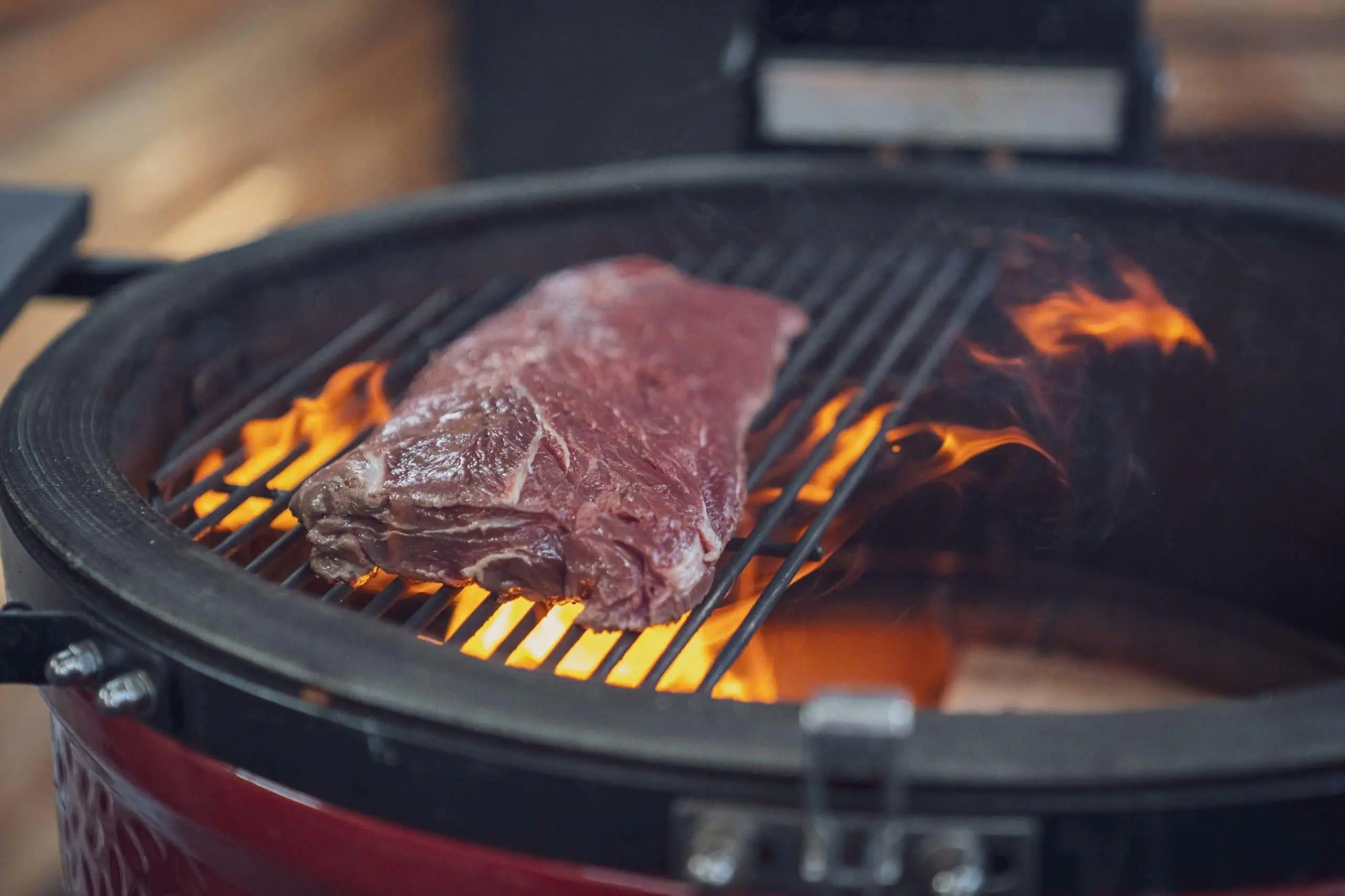
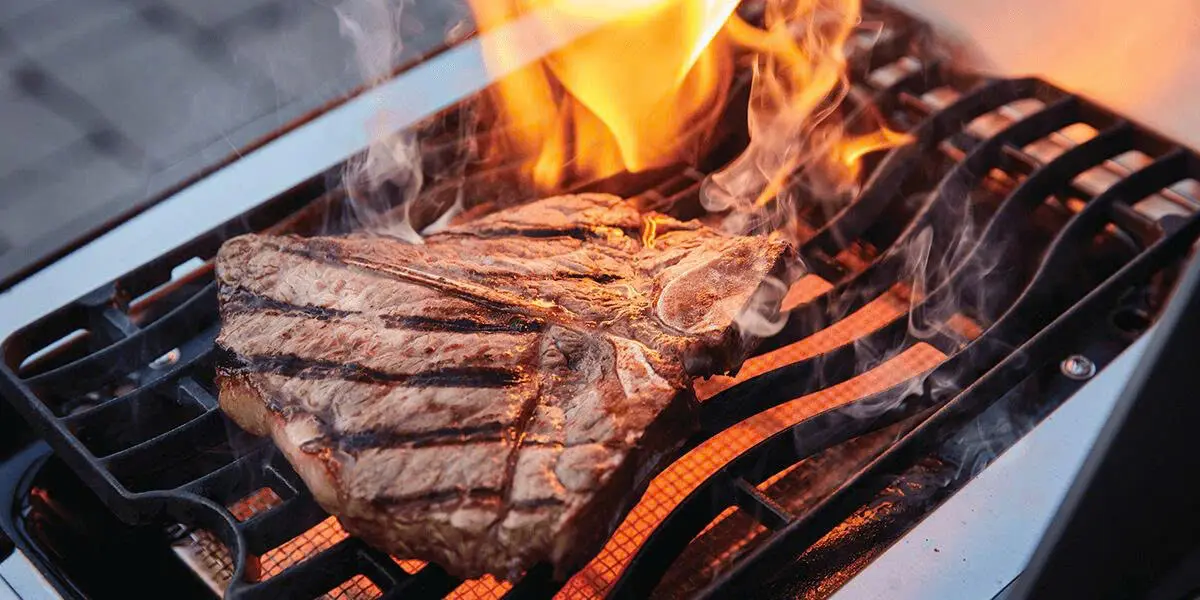
Grilling is a cooking technique in which food is cooked directly over a high heat source for a short period of time. This method allows food to cook quickly, develop an attractive charred exterior, and create a bold, distinctive flavor. Under high temperatures, the Maillard reaction occurs on the surface of the food, producing rich browning, appealing color, and an irresistible aroma – key elements that define the true appeal of grilled dishes.
How is grilling different from BBQ? (Grilling vs BBQ)
One of the most common misunderstandings among BBQ beginners is thinking that grilling and BBQ are the same. In reality, grilling is just one cooking method within the broader BBQ system, and these two concepts differ clearly in heat transfer, cooking time, and the types of food they are best suited for.
Grilling uses high, direct heat, allowing food to cook quickly—often in just a few minutes. This makes it ideal for thin cuts or foods with short cooking times, such as steaks, sausages, and seafood.
In contrast, traditional BBQ (often referred to as low & slow) relies on indirect heat at low to medium temperatures, cooking food over a long period of time. This approach tenderizes the meat and develops deep, complex flavors, making it suitable for large cuts like ribs, brisket, and pulled pork.
Below is a simple comparison to help you choose the right cooking method for each dish:
| Criteria | Grilling | BBQ |
|---|---|---|
| Temperature | High | Low to medium |
| Heat transfer | Direct | Indirect |
| Cooking time | Fast (minutes) | Long (hours) |
| Best for | Steaks, sausages, seafood | Ribs, brisket, pulled pork |
Understanding the difference between grilling and BBQ will help you control heat more effectively, choose the right technique for each cut of meat, and elevate your grilling experience beyond guesswork into true BBQ mastery.
Essential grilling techniques you should know
To achieve consistent, high-quality results when grilling, you can’t rely on “grilling by instinct” alone. Mastering the basic grilling techniques allows you to control heat more effectively, avoid common mistakes, and optimize flavor for each type of food.
Direct high-heat grilling
This is the most common grilling technique, where food is placed directly over a high heat source to cook quickly in a short amount of time. It is ideal for thin cuts or foods with short cooking times, such as thin steaks, sausages, and seafood.
When using this technique, you should:
- Preheat the grill thoroughly before cooking
- Grill quickly and flip as needed to prevent burning
- Focus on the color and surface texture of the food rather than cooking for too long
Mastering direct high-heat grilling is the foundation for creating flavorful, well-seared grilled dishes with confidence.
Searing (High-heat surface searing on the grill)
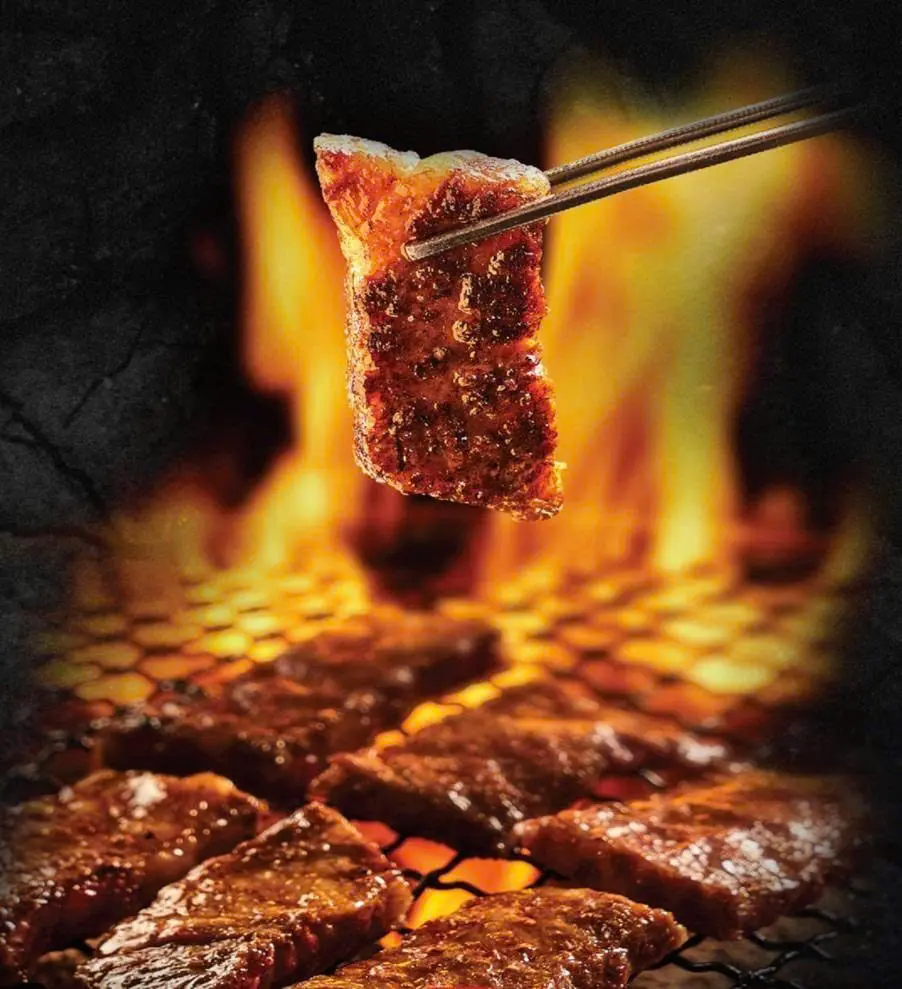
Searing is a technique that quickly browns the surface of food at very high temperatures to create a flavorful, crispy crust on the outside. It is a crucial step in grilling, especially when cooking steaks.
The goal of searing is not to cook the food all the way through, but to:
- Create a rich, golden-brown color
- Lock in the meat’s juices
- Intensify flavor through the Maillard reaction
After searing, the food is usually moved to a lower-heat zone to finish cooking evenly.
Two-zone grilling
Two-zone grilling is a technique that combines high heat and medium heat on the same grill. Food is first cooked over a lower-heat zone to allow it to cook evenly from the inside out, then quickly seared over high heat to develop an attractive, crispy exterior.
This technique is especially effective for:
- Thick-cut steaks
- Bone-in meats
- Foods that burn easily on the surface
By properly controlling heat zones, two-zone grilling helps prevent the common problem of burnt on the outside, raw on the inside, while delivering more consistent and professional grilling results.
Foods best suited for grilling
Thanks to its high heat and fast cooking time, grilling is especially well suited for foods that are moderate in size, cook quickly, and benefit from a nicely charred exterior. When you choose the right ingredients, grilling is not only efficient but also delivers bold, clean, and appealing flavors.
Some of the most suitable foods for grilling include:
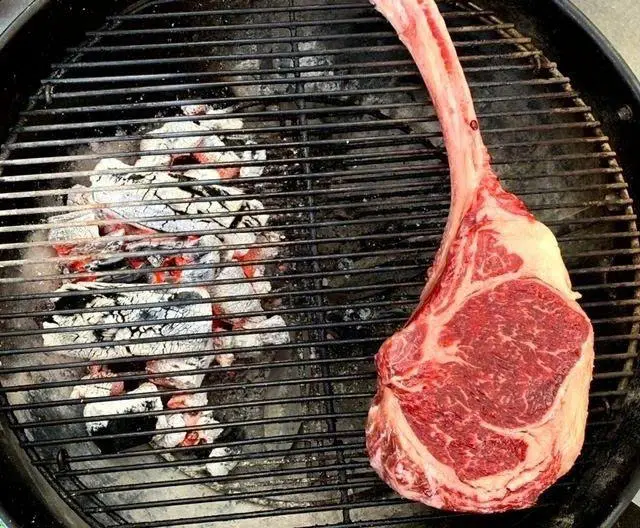
- Beef steaks: Easy to achieve a beautiful sear while keeping the meat juicy and preserving its natural flavor.
- Thin-cut lamb chops: Cook quickly, aromatic, and do not require long cooking times like larger racks of ribs.
- Seafood such as shrimp, squid, and fish fillets: Short cooking time, easy doneness control, and excellent at retaining natural sweetness.
- Vegetables such as corn, mushrooms, and bell peppers: Develop a distinctive grilled aroma, lightly charred surfaces, while remaining crisp and naturally sweet.
For these dishes, both gas grills and charcoal grills can be used effectively—as long as you can control the temperature and manage heat zones properly. Choosing the right type of grill will make the grilling process easier and more consistent, especially for beginners.
Which grill is best for grilling?
One of the key factors that affects the quality of grilled food is the type of grill you use. In practice, grilling can be done effectively on various types of grills, but charcoal grills and gas grills remain the two most popular choices. Each type suits different needs and grilling styles.
Grilling with a charcoal grill
Charcoal grills deliver the distinct smoky flavor that many BBQ enthusiasts love. The heat from glowing charcoal creates a strong sear, rich flavor, and an authentic “traditional BBQ” experience.
Charcoal grills are especially suitable for:
- Those who enjoy natural smoky flavors
- Outdoor BBQs and larger gatherings
- Grillers who are comfortable controlling heat with charcoal
However, when grilling on a charcoal grill, you need to pay close attention to fire management and heat zone setup to prevent the surface of the food from burning.
Grilling with a gas grill
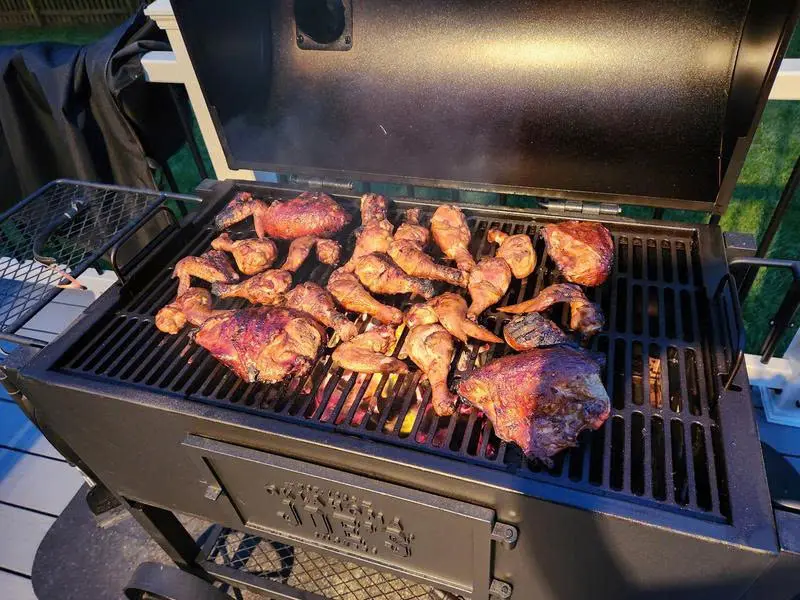
Gas grills are highly valued for their quick heating, stable temperature, and easy control, making them ideal for everyday grilling. With just a few minutes of preheating, you can start grilling without spending much time on preparation.
Gas grills are particularly suitable for:
- Families who grill regularly
- Beginners who are just getting familiar with grilling
- Those who prioritize convenience and cleanliness
With the ability to clearly set up heat zones, gas grills make it easy to apply techniques like direct grilling, searing, and two-zone grilling effectively.
Common grilling mistakes (and how to avoid them)
Although grilling is a simple and accessible cooking technique, even small mistakes can lead to dry, burnt, or flavorless food. Recognizing common grilling errors early will help you significantly improve the quality of your grilled dishes.
Grilling on an underheated grill
This is a very common mistake, especially for beginners. When the grill hasn’t reached the proper temperature, food is more likely to stick, release excess juices, and fail to develop a nice seared crust.
How to Avoid: Always preheat the grill before cooking, especially when using high heat, to ensure the surface of the food sears quickly while retaining its juices.
Flipping the meat too often
Constantly flipping the food prevents the surface from searing properly, causing loss of juices and reduced flavor.
How to Avoid: Allow the food to stay in contact with the grill long enough before turning. Only flip once a clear seared crust has formed.
Not letting meat rest after grilling
Many people cut meat immediately after removing it from the grill, which causes the juices to escape and results in dry meat.
How to Avoid: After grilling, let the meat rest for a few minutes so the juices redistribute internally, making the meat more tender and flavorful.
Using the wrong marinade for high-heat grilling
Marinades designed for slow cooking may not be suitable for grilling. Sauces with high sugar content or certain spices can burn quickly under high heat, leaving the surface charred.
How to Avoid: Use simple, low-sugar marinades that emphasize salt, pepper, herbs, and oil—perfectly suited for quick, high-heat grilling.
Who is grilling suitable for?
Thanks to its simple and effective approach, grilling is suitable for a wide range of people—especially those who want to start their BBQ journey in a relaxed and approachable way. It is an ideal choice for beginners, families enjoying weekend grilling, or anyone who loves quick, easy-to-make dishes that are still full of flavor.
Grilling is also perfect for people with limited preparation time, as it doesn’t require long cooking times or complicated equipment. By simply controlling heat and timing, you can create delicious grilled dishes for family meals or gatherings with friends.
Conclusion
Grilling is not a complicated technique. Once you master the three core elements—temperature, timing, and technique—you can consistently control your grilled dishes and achieve stable, flavorful results every time.
More importantly, grilling serves as a solid foundation for exploring the broader world of BBQ, from smoking and low & slow methods to more advanced grilling techniques. Once you’re comfortable with grilling, progressing to advanced BBQ methods becomes much easier and more intuitive.
At that point, you can deepen your knowledge by exploring “What Is BBQ? Explanation of BBQ and Essential Techniques You Need to Know” to complete your understanding and elevate your BBQ experience.
