
No products in the cart.

 Tiếng Việt
Uncategorized @vi
What Is BBQ? Essential Techniques Every Beginner Should Know
What Is BBQ? Many people think BBQ simply means grilling meat over a charcoal or gas grill. In reality, BBQ is a complete cooking technique that requires a deep understanding of temperature control, cooking time, and smoke. In this article, X-BBQ will help you clearly understand what BBQ really is, explore the most popular BBQ methods, distinguish BBQ from grilling and smoking, and introduce the essential BBQ techniques that every beginner should know before getting started.
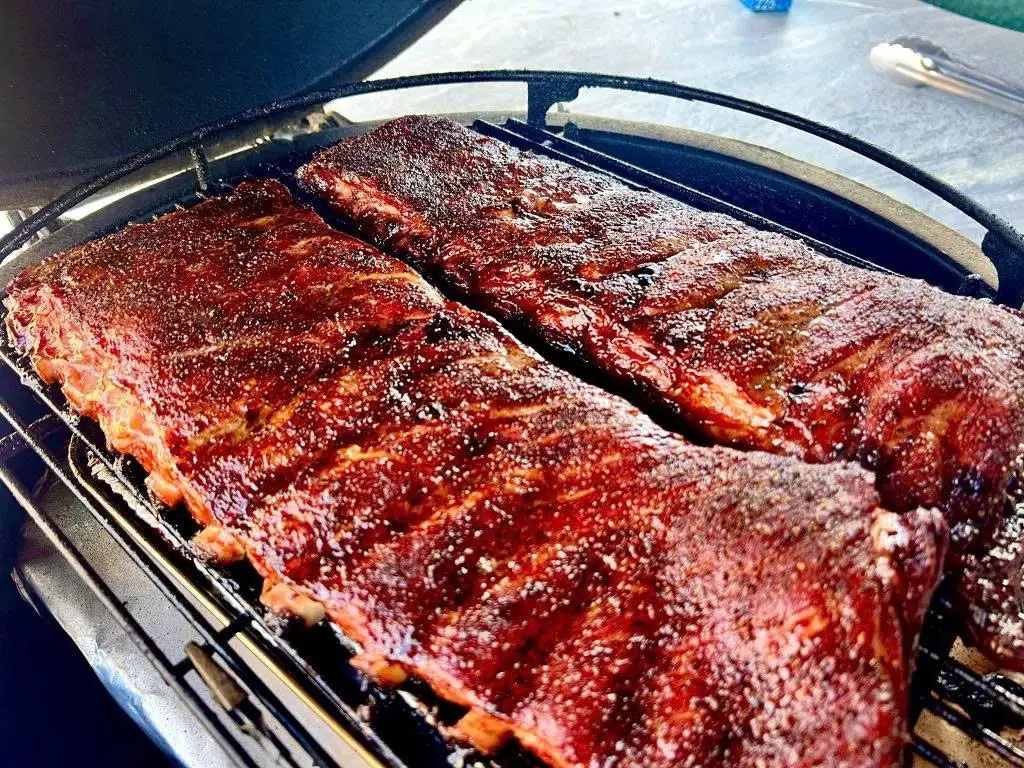
What is BBQ?
BBQ is short for barbecue—a cooking method that involves grilling food over fire, typically using charcoal grills or dedicated gas grills. In Western countries, BBQ is considered a true grilling art that requires a solid understanding of temperature control, cooking time, and cooking techniques. Meanwhile, in Vietnam, BBQ is often understood more simply as the act of grilling meat.
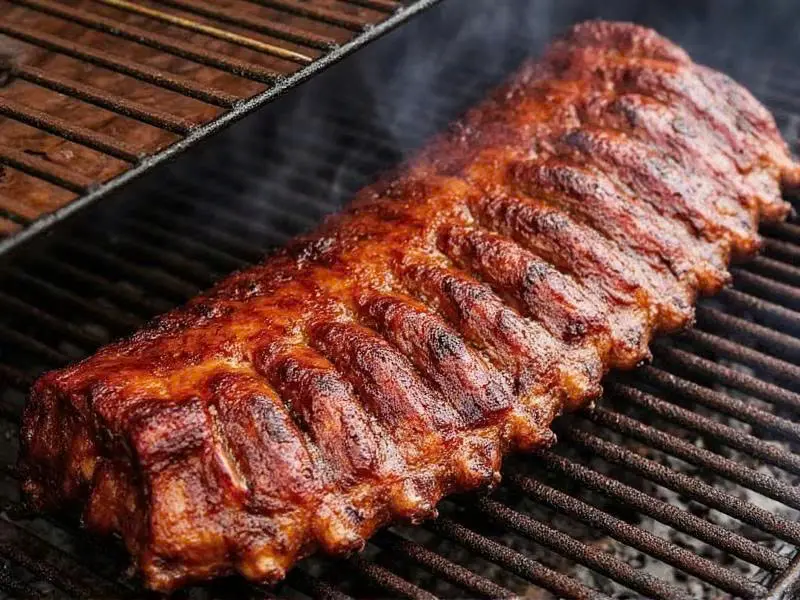
In the true spirit of traditional BBQ, this method is not only about cooking food through, but also about creating distinctive flavors—keeping the meat juicy and tender on the inside, with a lightly charred exterior and an irresistible smoky aroma. This is the core difference between BBQ and conventional grilling methods.
Beyond food, BBQ is also an outdoor living culture, where people gather around the grill, share the preparation process, and enjoy meals together. It brings families and friends closer, fostering connection and creating memorable moments around the fire.
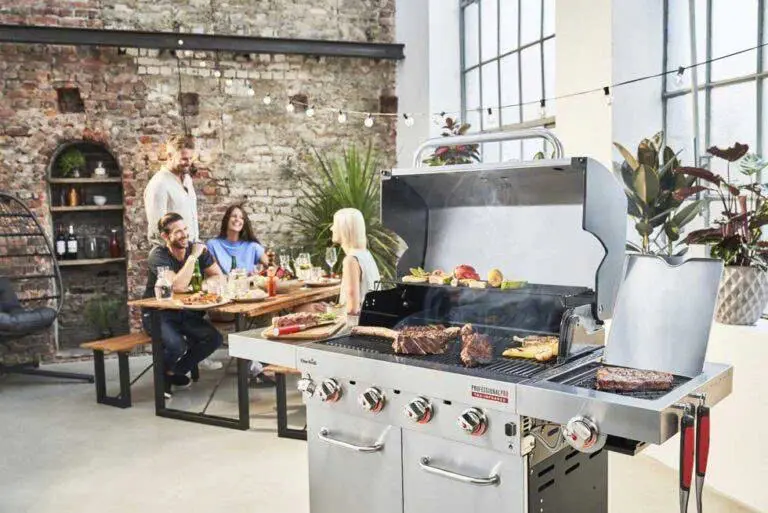
Understanding popular BBQ techniques
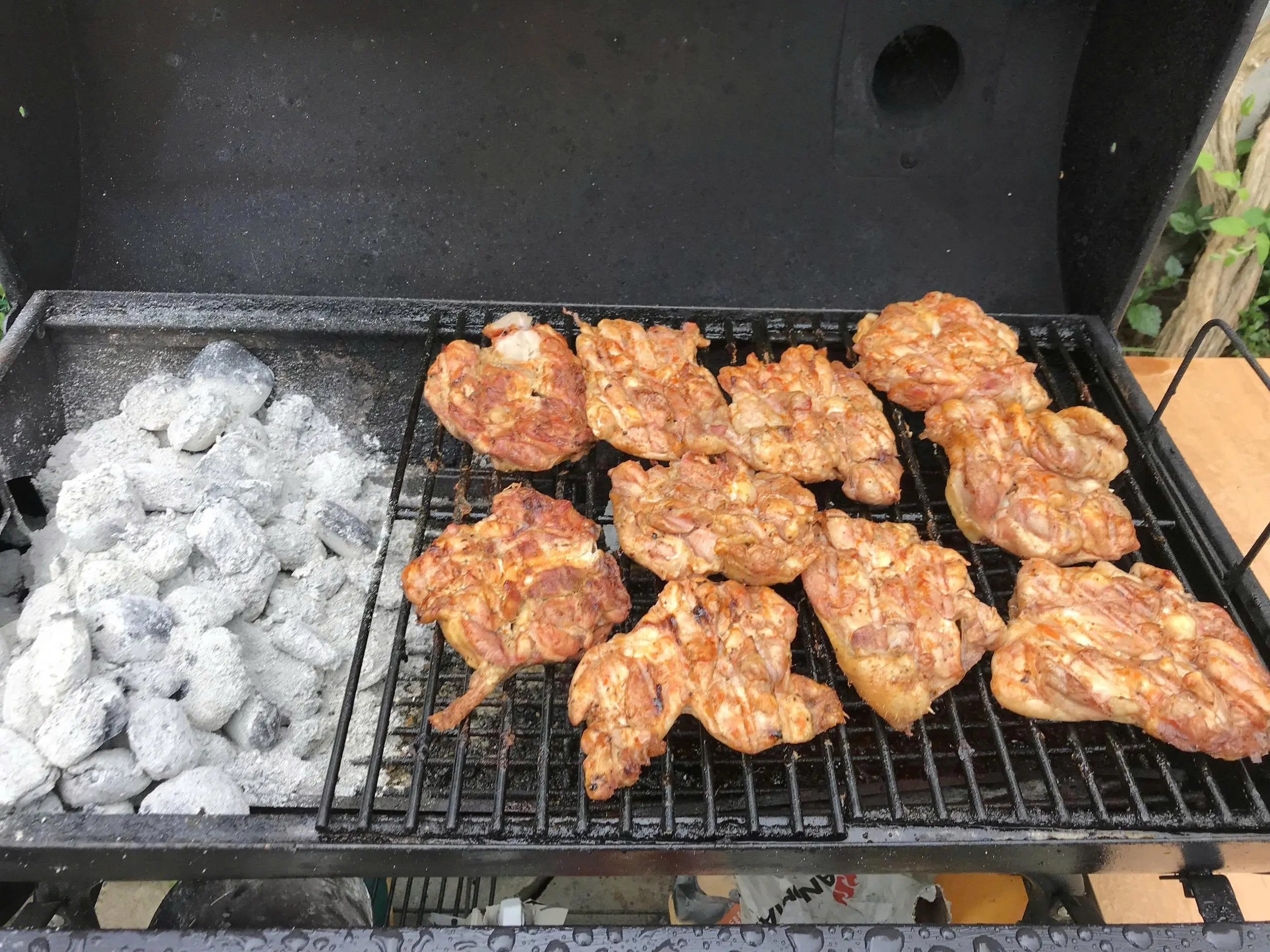
In Vietnam, direct grilling is the most familiar and widely used method. However, in the professional BBQ world, beyond direct grilling there is also indirect grilling—a technique that is highly valued for its superior heat control, clearer cooking timelines, and its ability to create deeper flavors and juicy, tender results.
Each grilling method has its own characteristics and applications. In this section, we’ll take a closer look at direct grilling and indirect grilling to help you choose the most suitable method for each BBQ dish.
Direct grilling
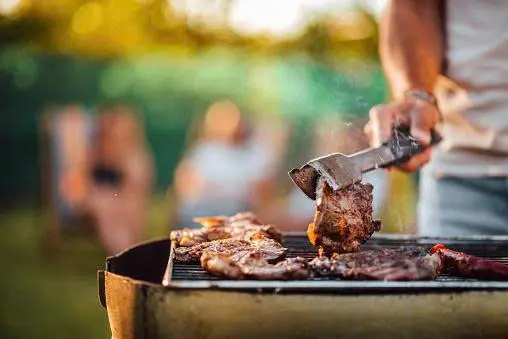
Direct grilling is the most common grilling method in Vietnam, where food is placed directly above the heat source, whether charcoal or gas burners. With high heat and short cooking times, this method creates an attractive seared crust on the surface while keeping the inside juicy—when heat is properly controlled.
Direct grilling is ideal for thin cuts and small-sized foods that cook quickly, such as thin steaks, sausages, sliced meats, seafood, and vegetables. However, because the food is exposed directly to the flame, the griller must monitor closely and flip frequently to prevent burning or charring.
Indirect grilling
Indirect grilling is a method commonly used in Western BBQ and smoking-style cooking. With this technique, food is not placed directly over the flame; instead, it is cooked slowly by evenly circulating heat inside the grill or smoker. The temperatures used are typically lower and more stable than those in direct grilling.
Indirect grilling is especially well suited for large cuts of meat or foods that require long cooking times, such as whole chickens, ribs, large cuts of meat, and traditional BBQ dishes. Because the food does not come into direct contact with the flame, it cooks more evenly, remains more tender, is less likely to burn, and retains its moisture and natural flavors.
Distinguishing BBQ, smoking, and grilling
BBQ, smoking, and grilling are three popular cooking methods developed from two fundamental techniques: direct grilling and indirect grilling. Although all three use fire to cook food, each method differs significantly in execution, cooking time, and the flavor of the final result.
Understanding the differences between BBQ, smoking, and grilling will help you choose the most suitable method for each type of meat, your available preparation time, and the flavor profile you want to achieve. Let’s explore how these three methods compare in the table below.
| Criteria | Grilling (Direct Grilling) | BBQ (Low & Slow) | Smoking |
|---|---|---|---|
| Cooking method | Direct heat from the flame | Indirect, circulating heat | Smoke + low heat |
| Temperature | High (200–300°C / 400–570°F) | Medium–low (100–130°C / 210–265°F) | Low (80–100°C / 175–210°F) |
| Cooking time | Fast (a few minutes) | Long (1–5 hours) | Very long (several hours to a full day) |
| Contact with fire | Direct | Indirect | Indirect |
| Heat source | Charcoal / Gas | Charcoal / Gas + dedicated BBQ grill | Charcoal + smoking wood + smoker |
| Smoke level | Little or none | Light smoke | Heavy, distinct wood smoke |
| Flavor profile | Quick sear, fresh taste | Rich, juicy, well-developed | Deep, signature smoky flavor |
| Meat tenderness | Depends on skill and technique | Very tender | Very tender |
| Best-suited foods | Thin steaks, sausages, seafood, vegetables | Ribs, whole chicken, large cuts of meat | Brisket, ribs, smoked fish |
| Difficulty level | Easy – Intermediate | Intermediate | Advanced |
| Suitable grill type | Open charcoal or gas grill | Covered BBQ grill (BBQ oven-style grill) | Smoker or dedicated BBQ grill |
10 important BBQ tips for beginners
For beginners, BBQ is more than just placing meat on the grill and waiting for it to cook. Understanding a few fundamental principles will help you improve your skills faster, reduce common mistakes, and achieve better, juicier, and more consistent results from the very first sessions.
1. Bring meat to room temperature before grilling
Avoid grilling meat straight from the refrigerator. Letting it rest at room temperature helps it cook more evenly and prevents the inside from drying out.
2. Preheat the grill
Always preheat your grill before placing food on the grates. This helps create a good sear and prevents food from sticking.
3. Create heat zones on the grill
Set up high-heat and low-heat zones on your grill. This gives you greater control, especially when cooking meats of different thicknesses.
4. Use a BBQ thermometer to control doneness
A BBQ thermometer allows you to accurately monitor the internal temperature of the meat, preventing overcooking or undercooking.
5. Season and marinate according to the type of meat
Each type of meat requires different seasoning and marinating times to achieve the best flavor when grilled.
6. Keep the grill grates clean before and after use
Clean grates prevent sticking, reduce burning, and ensure your food doesn’t absorb unwanted old flavors.
7. Use the right wood for flavor
Woods such as hickory, applewood, and cherrywood provide pleasant smoke aromas that pair well with different types of meat.
8. Know when to use direct vs. indirect heat
Direct heat is ideal for searing, while indirect heat allows meat to cook slowly and become more tender.
9. Let the meat rest after grilling
After cooking, let the meat rest for a few minutes so the juices redistribute, resulting in a juicier cut when sliced.
10. Adjust the grill lid to control heat and smoke
Properly opening and closing the grill lid helps regulate temperature and smoke flow, directly affecting BBQ quality.
Conclusion
Through this article, X-BBQ has helped you clearly understand what BBQ is, while also introducing and distinguishing the most common BBQ cooking methods. Understanding the differences between each method—along with mastering basic BBQ techniques—is a crucial first step for anyone new to BBQ.
When you know how to control temperature, choose the right cooking method, and apply proper techniques, you not only ensure evenly cooked, juicy, and flavorful food, but also elevate your BBQ experience from the very beginning. This solid foundation will allow you to continue exploring and mastering more advanced BBQ techniques as you grow more confident with your grill.
