
No products in the cart.

 Tiếng Việt
Uncategorized @vi
Smoked Beef Brisket: How to Make Authentic American-Style Smoked Brisket
Smoked beef brisket — often simply called smoked brisket — is considered the “soul” of Texas-style BBQ, the birthplace of the low and slow philosophy. With nothing more than low heat, long cooking time, and clean wood smoke, a tough, collagen-rich cut of brisket can transform into tender, juicy meat with a dark, flavorful bark and a signature smoky aroma that’s impossible to mistake. This simplicity in ingredients, combined with technical precision and patience, is what makes smoked beef brisket such a rewarding challenge for any BBQ enthusiast.
If you’re ready to conquer this classic BBQ dish, this guide will walk you through every step: from understanding what smoked beef brisket truly is, choosing the right cut, setting up your smoker, managing heat and smoke, to mastering the resting process for consistent results. Whether you’re new to low and slow cooking or already experienced, this complete guide will help you confidently create authentic Texas-style brisket at home.
What is Smoked Beef Brisket?
Smoked beef brisket is an iconic dish of Texas-style American BBQ. Brisket is naturally a tough cut, rich in connective tissue and collagen, but when cooked using the low and slow method — low temperature over a long period — the fat and collagen gradually break down. This process transforms the meat into something tender, juicy, flavorful, and easy to pull apart.
This dramatic transformation is what has made smoked beef brisket one of the most beloved BBQ dishes around the world.
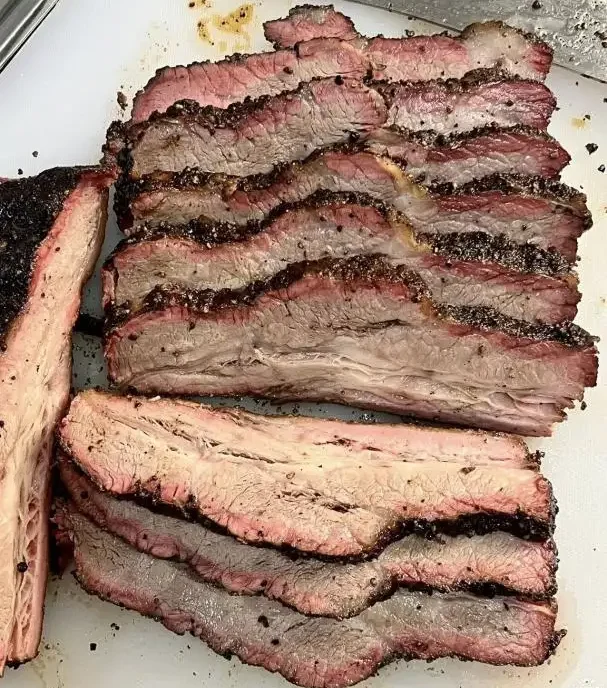
How to Choose Beef Brisket for Smoking
If you want great smoked beef brisket, choosing the right cut is just as important as cooking technique. Beginners should focus on three simple factors: the cut type, fat content, and size.
Choose a whole packer brisket
A whole packer includes both the flat (leaner) and the point (fattier). The point helps retain moisture and allows the brisket to cook more evenly, making it the easiest option for beginners. Buying only the flat is possible, but it tends to dry out more easily.
Look for balanced fat
A good brisket should have a fat cap about 1 cm (⅜–½ inch) thick with visible marbling throughout the meat. This fat slowly renders during the cook, keeping the brisket tender and juicy. Avoid cuts that are too lean or have uneven fat distribution.
Pick a manageable size
For home BBQ, a brisket around 4–6 kg (9–13 lb) is ideal — thick enough to stay moist but still manageable in terms of heat control and cooking time. Smaller briskets dry out easily, while very large ones require a stable smoker and much longer cooks.
Choosing the right brisket from the start makes the low and slow process smoother and greatly increases your chances of success on your first smoked beef brisket.
Step 1: Trimming
Keep a fat cap about 1 cm (⅜–½ inch) thick to protect the meat during the long cook. Remove hard fat, excess fat, and loose meat pieces so the brisket has a clean shape and smoke can circulate evenly around it.
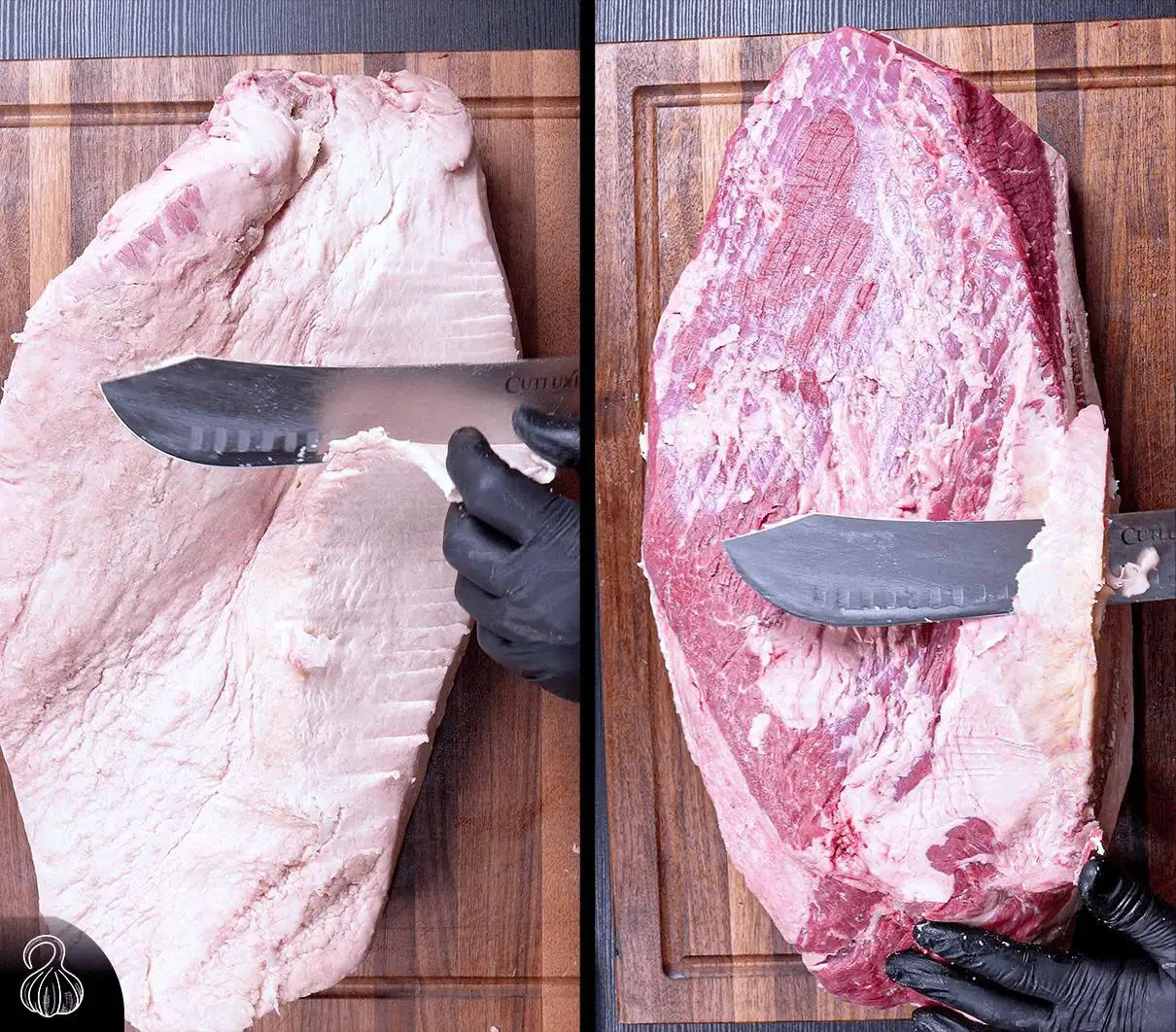
Step 2: Texas-Style Seasoning
The seasoning is very simple: coarse salt and coarse black pepper (1:1 ratio). This classic Texas rub highlights the natural beef flavor and the smokiness of the cook. You can add a small amount of garlic powder or paprika, but keep it light so it doesn’t overpower the meat.
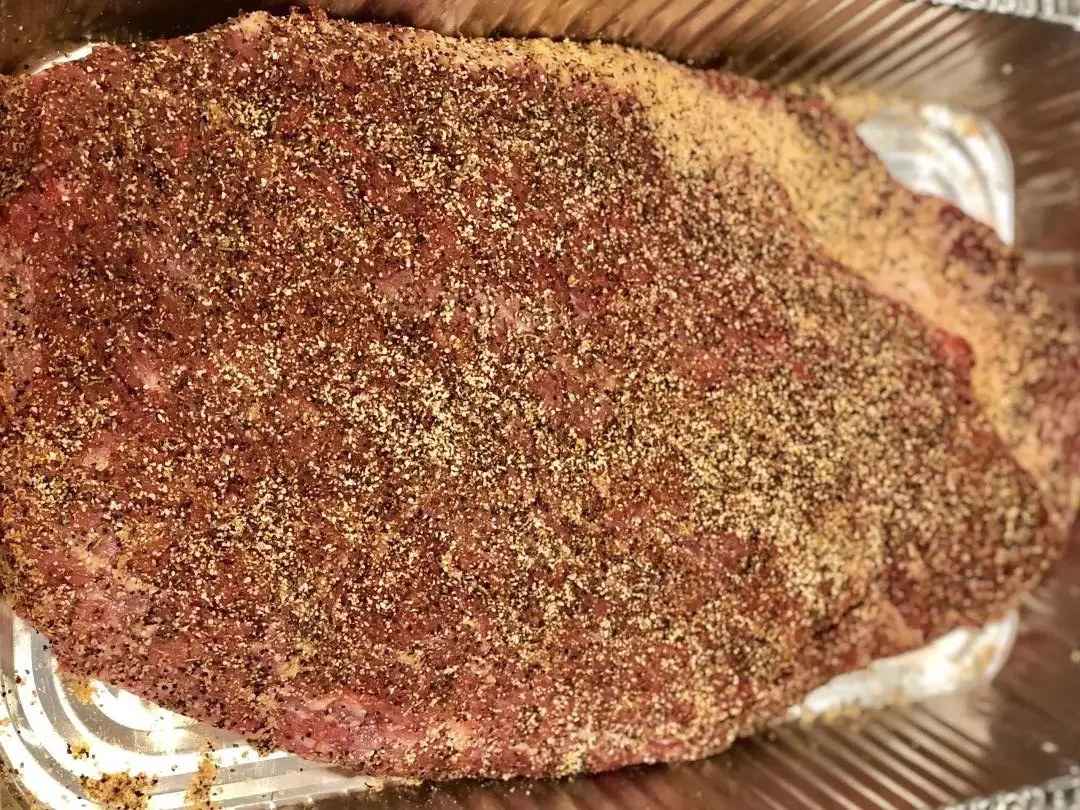
Step 3: Seasoning Time
You can season the brisket 8–12 hours in advance and keep it refrigerated to allow the salt to penetrate deeper. If you’re short on time, seasoning 30–60 minutes before smoking still works well.
Proper prep and seasoning help the brisket retain moisture, absorb smoke more effectively, and create the foundation for tender, juicy Texas-style smoked beef brisket.
Preparing the Smoker & Smoking Wood
To make great smoked beef brisket, the smoker and smoking wood are essential. Brisket requires long cooking at low heat with clean smoke, so proper setup from the start makes the process much easier to control.
Preparing the smoker
Before adding the meat, light the charcoal and bring the smoker to a stable temperature of about 80–120°C (175–250°F). Place the brisket in only when the cooker is evenly heated and you see thin blue smoke — a sign of clean, well-burning smoke.
Choosing the right smoking wood
- Oak: Light, balanced smoke — the most popular choice for Texas brisket.
- Hickory: Stronger smoke with a bolder flavor, best used in moderation to avoid bitterness.
- You can combine different woods to create more complex smoke profiles.
Proper smoker setup and the right wood help the brisket develop a beautiful bark, a clear smoke ring, and a balanced smoky flavor from the very first hours of the cook.
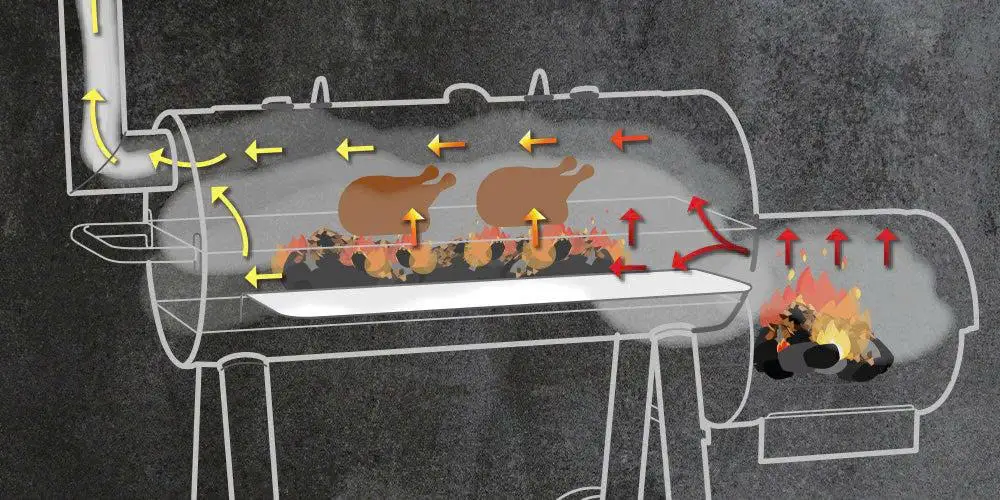
Step-by-Step Smoked Beef Brisket Process
To make smoked beef brisket, follow each step carefully and stay patient while maintaining steady heat.
Step 1: Stabilize the Smoker: Light the charcoal, add your smoking wood, and bring the smoker to about 80–120°C (175–250°F). Only place the brisket in when the temperature is stable and you see thin, clean blue smoke.
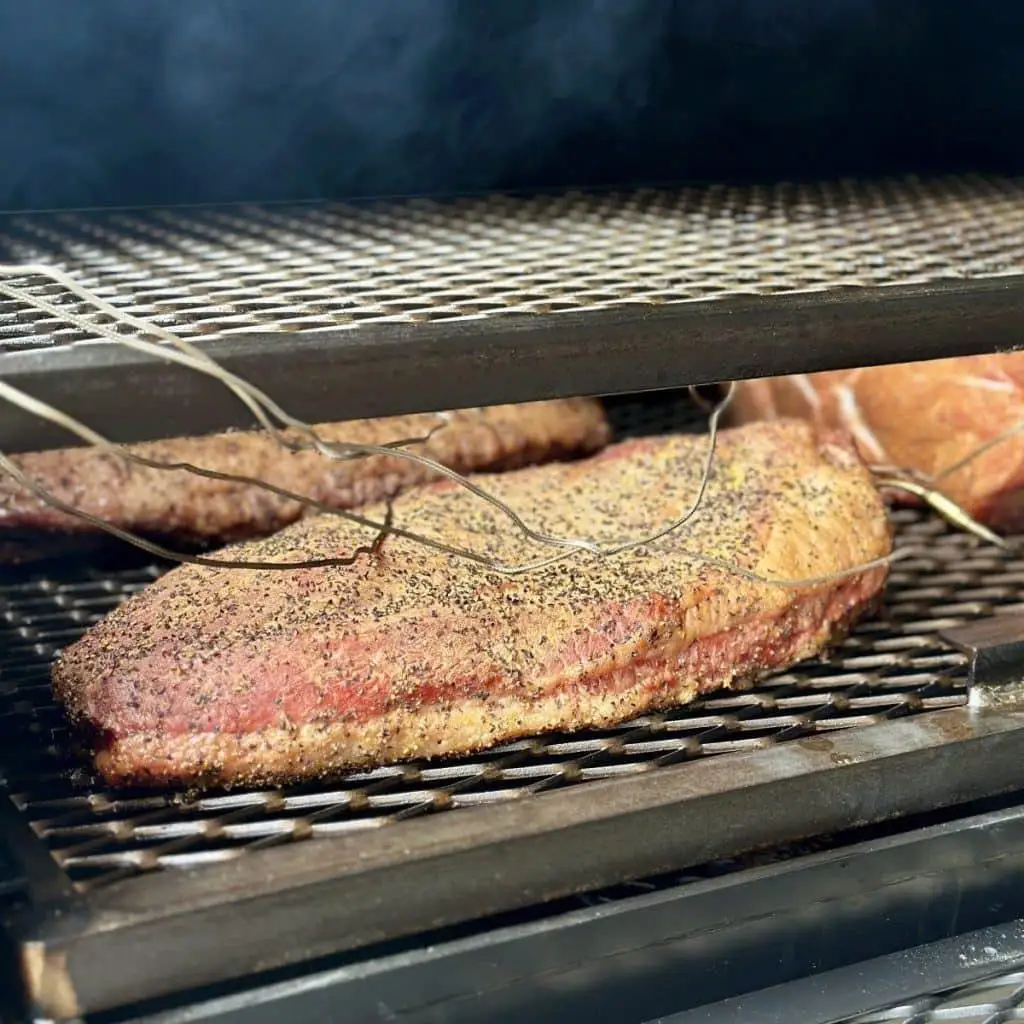
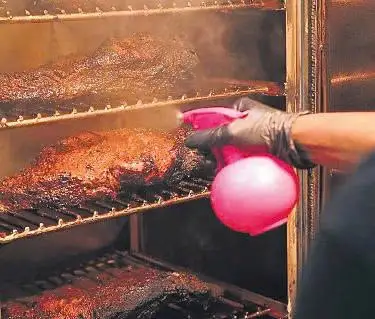
Step 2: Smoke absorption stage: Place the brisket in the smoker using indirect heat for the first 4–6 hours. Avoid opening the lid too often to prevent heat loss. You can lightly spritz the surface every 30–45 minutes to keep it from drying out and to help develop a nice bark.
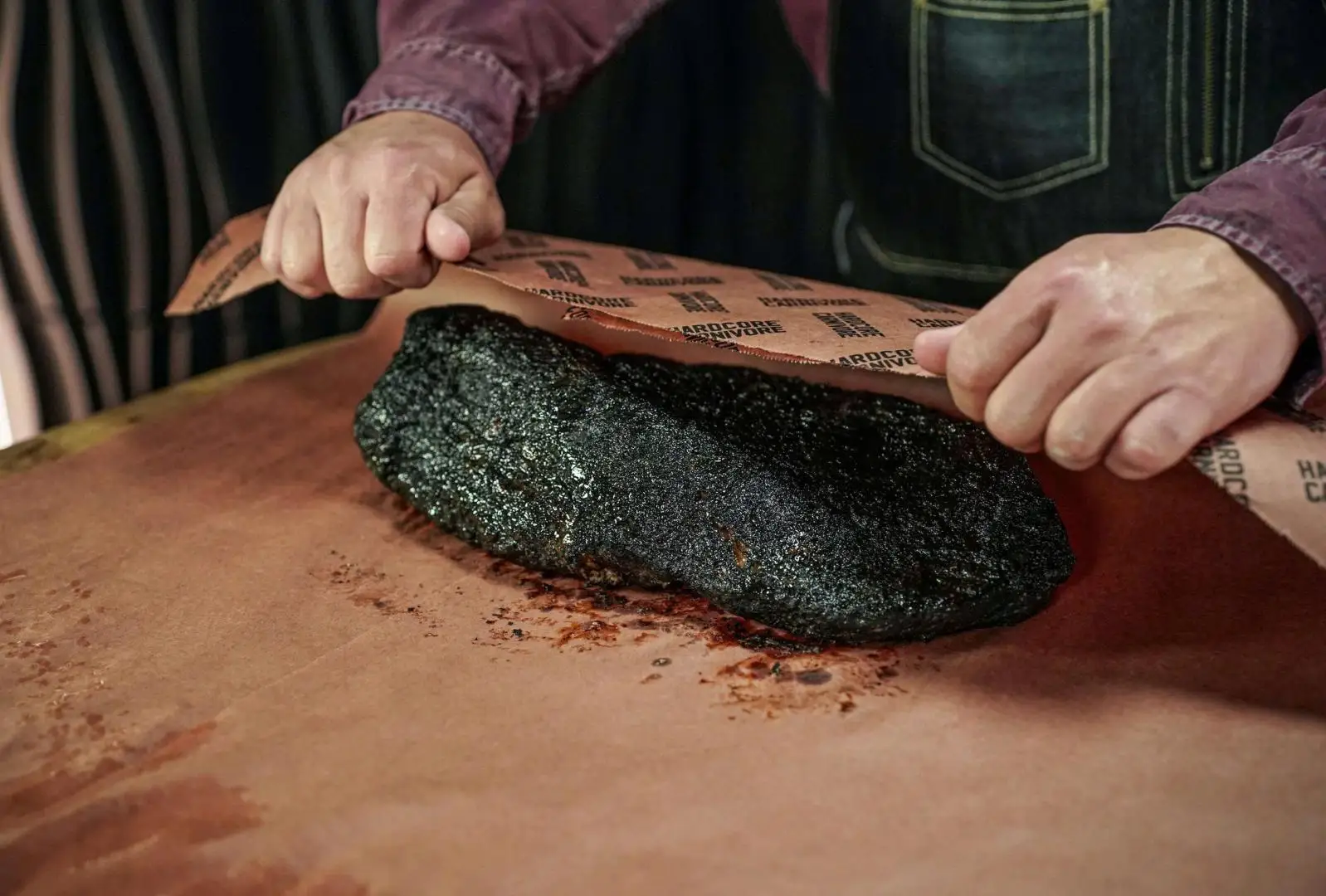
Step 3: Stall & wrap: When the internal temperature stalls and the bark has developed a deep color, wrap the brisket using butcher paper or foil to retain moisture and help the meat become tender faster.
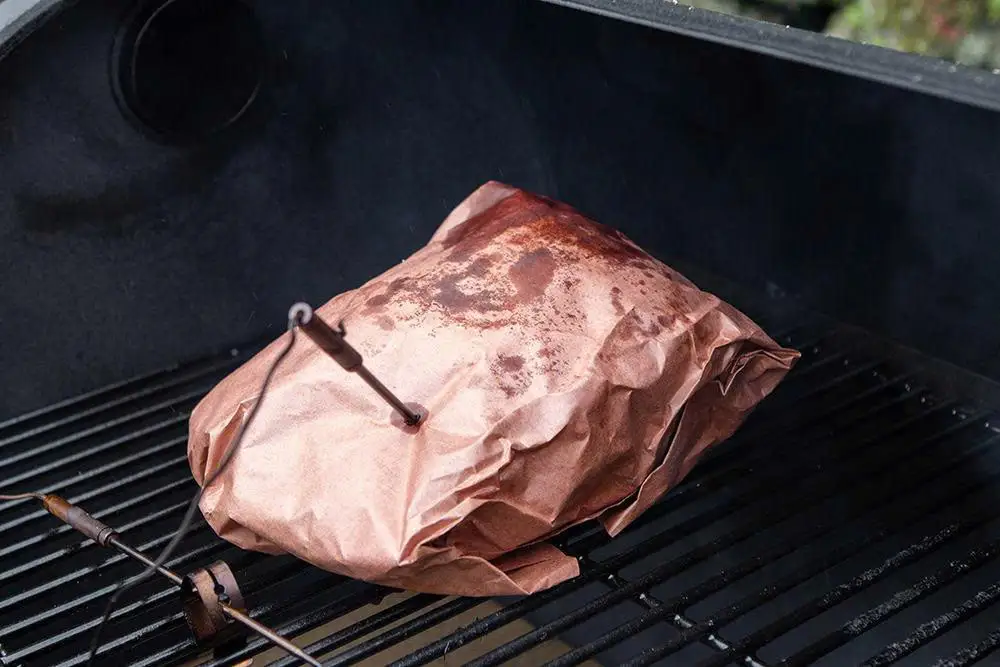
Step 4: Check for tenderness: Continue cooking until the internal temperature reaches about 93–96°C (200–205°F). Use a probe to test — if it slides in easily with little to no resistance, the brisket is ready.
Step 5: Rest the meat: Remove the brisket and let it rest for 30–60 minutes or longer in a warm environment. This step allows the juices to redistribute, making the meat more tender and easier to slice.
Follow each step carefully and keep the temperature steady, and you’ll get a smoked beef brisket that’s tender, with a beautiful bark and authentic Texas-style smoky flavor.
Common Mistakes When Making Smoked Beef Brisket
Brisket is a “difficult” cut, so mistakes are very common. Here are the most typical issues and quick fixes:
Dry brisket
- Cause: Temperature too high, trimming too much fat, or skipping the resting step.
- Fix: Keep the temperature steady, leave about 1 cm of fat cap, and always rest the brisket before slicing.
Burnt bark
- Cause: Dirty smoke (thick white or black smoke), rub with too much sugar, or sudden temperature spikes.
- Fix: Use a simple salt-and-pepper rub, control airflow to produce thin clean smoke, and avoid opening the lid too often.
No smoke ring
- Cause: Smoke not clean, meat surface too dry, or low-quality wood/pellets.
- Note: The smoke ring is mostly visual and doesn’t determine flavor.
- Improve: Place the meat in the smoker when the smoke is clean and the surface is still moist.
Stall lasts too long
- Cause: Strong moisture evaporation during the middle stage of cooking.
- Fix: Once the bark is set, wrap with butcher paper or foil to push through the stall faster.
Most brisket problems come from unstable temperature and dirty smoke. Control these two factors well, and your smoked beef brisket will improve noticeably with every cook.
Conclusion
Smoked beef brisket is not just a dish — it’s a true test of BBQ skills. From selecting the right cut, trimming the fat, and controlling temperature and smoke, to staying patient through long hours of cooking, every small detail directly impacts the final result.
Brisket forces you to understand the philosophy of Low and Slow: respect the time, keep the heat low, and let clean smoke do its job. When you combine proper Low and Slow technique with the right BBQ smoker, you can transform a “difficult” cut of meat into a tender, juicy brisket with a beautiful bark and authentic Texas-style smoky flavor.
