
No products in the cart.

 Tiếng Việt
Uncategorized @vi
How to grill meat the right BBQ way: Techniques, temperature & timing
Many people believe that great BBQ is all about the marinade. In reality, no matter how flavorful your seasoning is, using the wrong grilling technique—or cooking at the wrong temperature or for the wrong amount of time—can still leave your meat dry, burnt on the outside, and undercooked on the inside. Great BBQ isn’t about luck; it’s about understanding heat control and choosing the right cooking method.
In this article, X-BBQ will guide you through the three fundamental BBQ techniques—direct grilling, indirect grilling, and low & slow cooking—along with how to control temperature and cooking time for different types of meat. By mastering these basics, you’ll be able to apply marinades more effectively and achieve evenly cooked, juicy, and flavorful results every time.
Why does meat still turn dry or burnt even with a good marinade?
Many people believe that great BBQ depends mainly on a good marinade. However, in reality, dry or burnt grilled meat is rarely caused by seasoning. More often, it comes from using the wrong grilling technique and poor heat control. Each type of meat cooks at a different rate, and thickness also plays a major role in determining the correct cooking time.
Common mistakes when grilling meat include:
-
Not understanding the difference between grilling techniques such as direct grilling, indirect grilling, and low & slow, which leads to using the wrong method for each type of meat
-
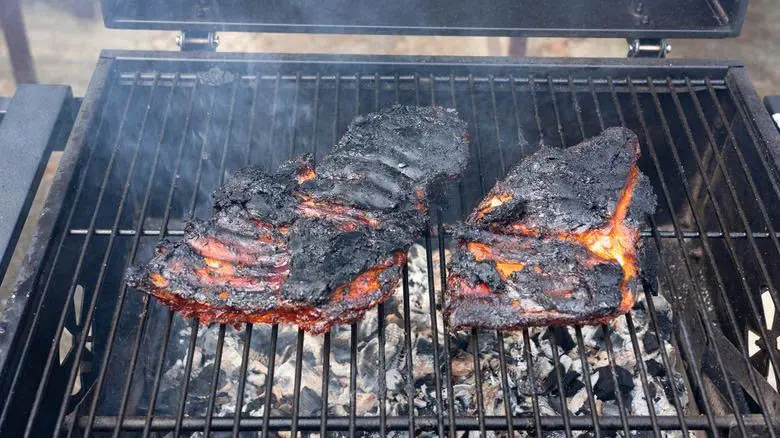
Failing to control grill temperature, causing the meat to lose moisture too quickly—burnt on the outside while still undercooked inside
-
Cooking for the wrong amount of time, especially with thick cuts or meats that require longer cooking to become tender
When these factors are not properly controlled, even well-marinated meat can end up dry, tough, and unappealing after grilling.
To achieve true BBQ-quality results, grillers need to understand the core BBQ techniques, how to control temperature, and how to match cooking time to each type of meat—rather than focusing solely on the marinade.
Ways to grill meat perfectly: Understanding basic heat control techniques
To improve your BBQ skills and master different ways to grill meat well, it’s essential to understand the core BBQ grilling techniques. Each technique is suited to specific types of meat, thicknesses, and cooking times. Choosing the right method helps the meat cook evenly, retain moisture, and fully develop the flavors from the marinade.
Below are the three most common and important BBQ grilling techniques.
What is direct grilling?
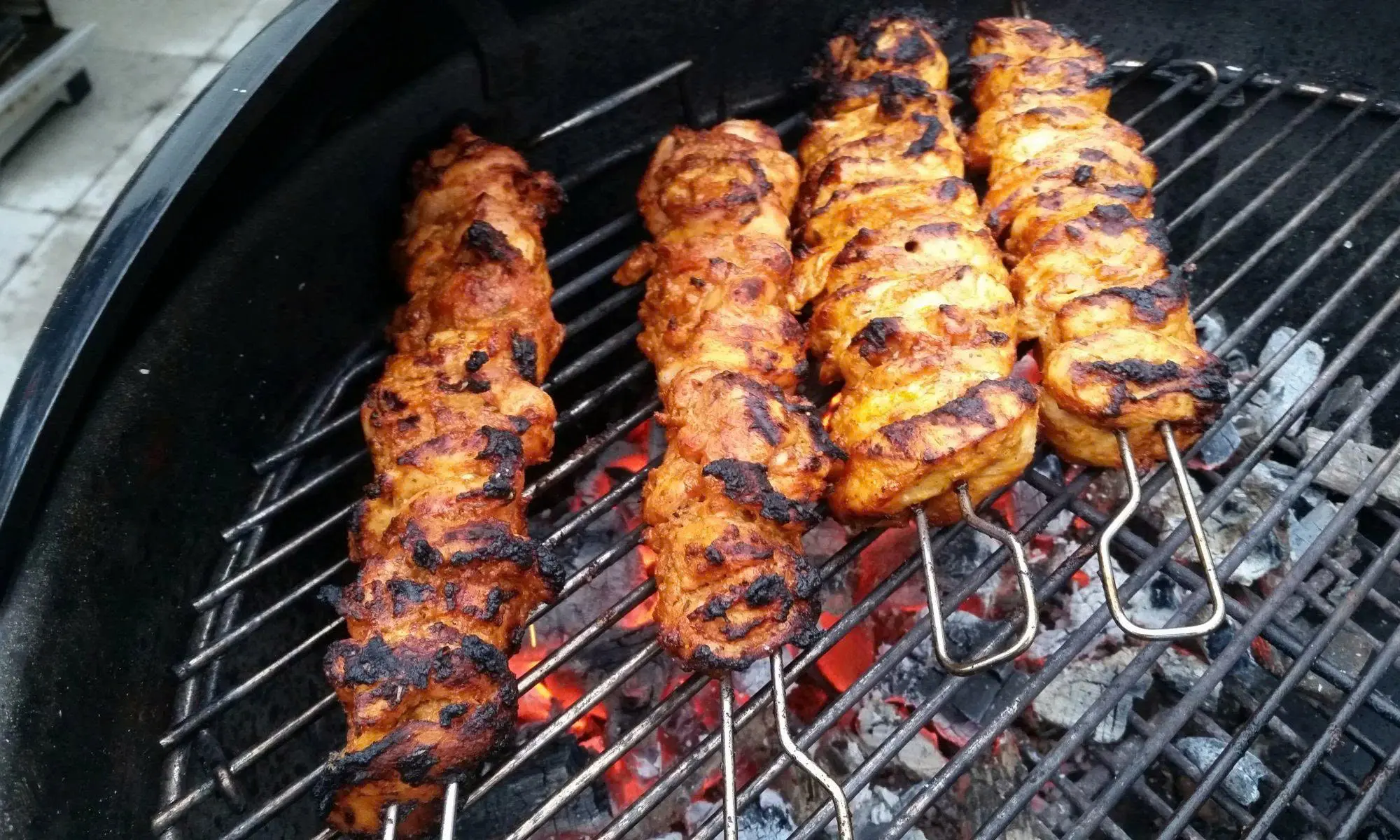
Direct grilling is a technique in which food is placed directly over the heat source. The high heat from charcoal or gas burners acts directly on the surface of the meat, creating a beautiful sear and a signature grilled aroma.
How it works:
The meat is cooked over a high-heat zone for a short period of time and needs to be flipped frequently to prevent burning.
When should you use direct grilling?
This technique is ideal for foods that are small in size, cook quickly, and do not require long cooking times.
Direct grilling is best for:
- Steak
- Thin-sliced meat
- Seafood
- Sausages
Ideal temperature: approximately 230–290°C (450–550°F)
Cooking time: short; requires frequent flipping
Common mistake: using heat that is too high, which causes the outside to burn while the inside remains undercooked—resulting in dry, bitter meat.
What is indirect grilling?
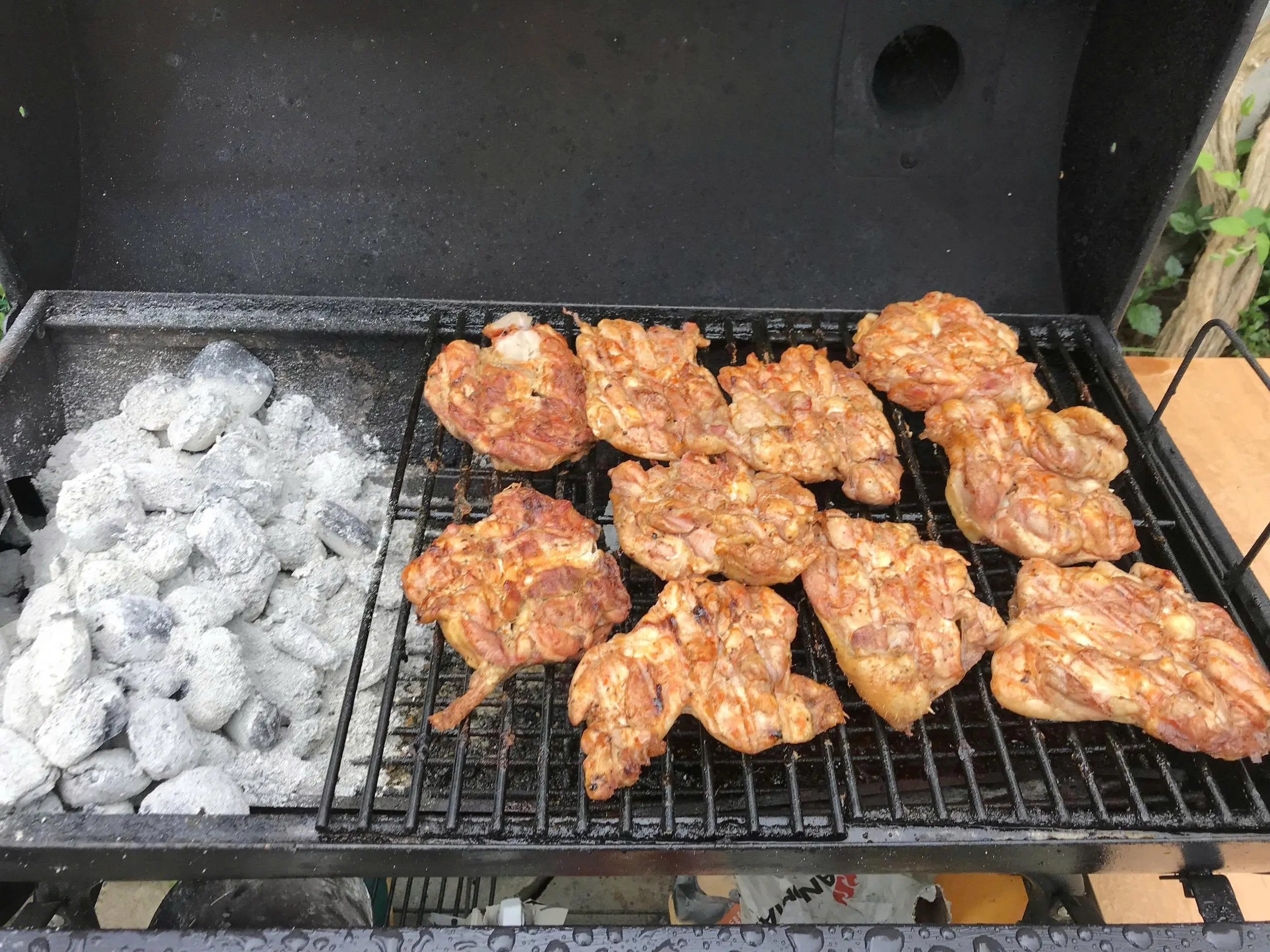
Indirect grilling is a BBQ technique where the meat is not placed directly over the heat source. Instead, it is cooked by circulating hot air inside the grill, similar to how an oven works.
How to set up the grill:
- Charcoal grill: move the charcoal to one side and place the meat on the side without charcoal
- Gas grill: turn on one or two burners and place the meat over the area with no direct flame
When should you use indirect grilling?
This technique is ideal for meats that require longer cooking times so they can cook evenly from the inside out.
Indirect grilling is best for:
- Whole chicken
- Ribs
- Medium-sized cuts of meat
Ideal temperature: approximately 100–150°C (210–300°F)
Cooking time: medium to long
The biggest advantage of indirect grilling is that it allows meat to cook evenly, retain moisture, and significantly reduce the risk of surface burning.
Low & Slow – The soul of American-Style BBQ
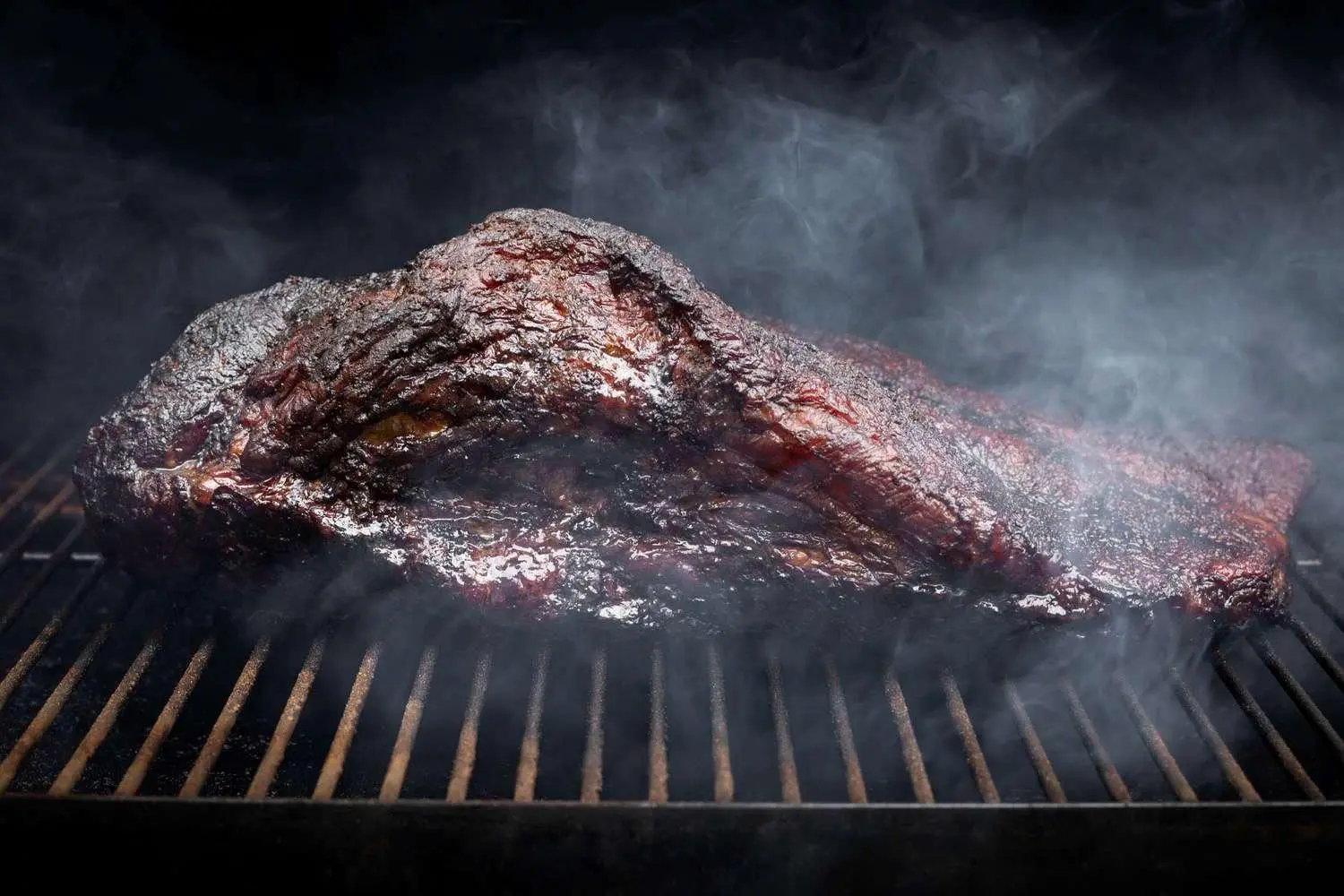
Low & slow is a BBQ technique that cooks meat at low temperatures over a long period of time. It is considered the “soul” of American-style BBQ. Instead of fast, high-heat grilling, this method focuses on naturally tenderizing the meat’s structure.
Why does low & slow make meat better?
At low temperatures, the collagen in meat slowly breaks down into gelatin. This process makes the meat tender, juicy, and deeply flavorful without drying it out.
Low & slow is best for:
- Pork ribs
- Brisket
- Pork shoulder
Ideal temperature: approximately 80–130°C (175–265°F)
Cooking time: 2–8 hours, depending on the type and size of the meat
This technique is what truly defines authentic American BBQ. It requires patience, but the result is superior tenderness, moisture, and flavor that other methods cannot achieve.
How to control temperature when grilling meat
Temperature control is the key factor that determines whether your BBQ turns out great or not. No matter which technique you use—direct grilling, indirect grilling, or low & slow—poor temperature control can easily result in meat that is dry, burnt, or unevenly cooked.
When is the temperature too high?
Excessively high heat is one of the most common reasons meat becomes burnt on the outside while remaining undercooked on the inside.
- Above 300°C (570°F): heat is too intense; meat burns quickly and loses moisture
- 230–290°C (450–550°F): suitable for direct grilling
- 100–120°C (210–250°F): ideal for indirect grilling
- 80–100°C (175–210°F): standard range for low & slow cooking
Understanding these temperature ranges helps you choose the right technique and avoid grilling under overly intense heat.
Signs your meat is burning
While grilling, watch for these warning signs so you can adjust the heat in time:
- The surface of the meat turns black unusually fast within minutes
- Fat drips onto the heat source and causes large flare-ups
- The meat smells burnt instead of smoky and appetizing
- The outside becomes dry and hard while the inside is still undercooked
When these signs appear, reduce the heat immediately or move the meat to an indirect heat zone to prevent ruining the cut.
How to use a BBQ thermometer for precise heat control
A BBQ thermometer is an essential tool for accurate temperature control, especially when cooking thick cuts of meat or using the low & slow technique.
- Grill (lid) thermometer: used to monitor the temperature inside the grill chamber
- Meat thermometer: inserted into the thickest part of the meat to check internal doneness
Relying on a thermometer helps you avoid guessing by feel, allowing you to grill more consistently and achieve better, more reliable results every time.
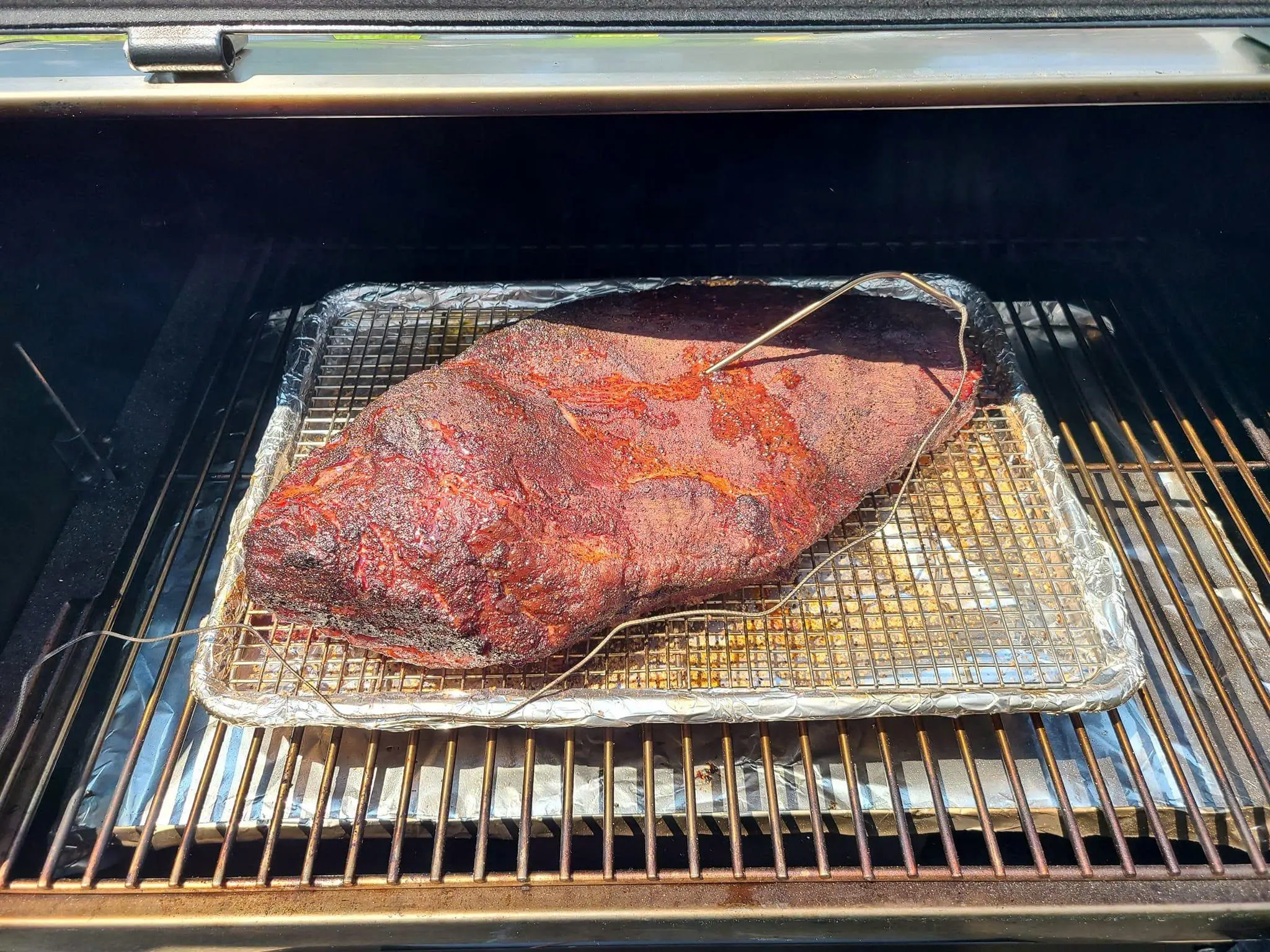
Tips for controlling heat on charcoal and gas grills
For charcoal grills:
- Move the charcoal to one side to create an indirect heat zone
- Open or close the air vents to regulate temperature
- Add charcoal gradually instead of dumping in too much at once
For gas grills:
- Adjust the output of each burner independently
- Turn off one or more burners when indirect grilling is needed
- Always preheat the grill before cooking to ensure stable heat
Good temperature control not only helps meat cook evenly, but also provides the foundation for using marinades more effectively—preventing seasonings from burning or developing bitter, off flavors due to excessive heat.
Proper grilling time for different types of meat
One of the most important factors in achieving great BBQ results is cooking meat for the right amount of time. However, there is no single fixed timing that works for every situation. Grilling time always depends on grill temperature, meat thickness, and the grilling technique you use
Reference grilling time table
| Type of Meat | Suitable Technique | Grill Temperature | Estimated Time |
|---|---|---|---|
| Beef (steak) | Direct grilling | 230–290°C (450–550°F) | 3–6 minutes per side |
| Beef roast / large cut | Indirect grilling | 160–200°C (320–390°F) | 30–60 minutes |
| Thin-sliced pork | Direct grilling | 230–290°C (450–550°F) | 4–6 minutes per side |
| Pork ribs | Low & slow | 105–130°C (220–265°F) | 2–4 hours |
| Chicken pieces | Indirect grilling | 160–200°C (320–390°F) | 30–45 minutes |
| Whole chicken | Indirect grilling | 160–180°C (320–355°F) | 60–90 minutes |
| Seafood | Direct grilling | 230–260°C (450–500°F) | 2–5 minutes per side |
Note: The times above are for reference only and should be adjusted based on meat thickness and the actual temperature of your grill.
Tips to prevent meat from drying out
-
The thicker the cut, the lower the heat and the longer the cooking time it requires
-
Fast-grilling meats should be flipped frequently
-
Use a meat thermometer to check doneness accurately
Conclusion: Great BBQ isn’t about rigidly “watching the clock.” It’s about combining the right grilling technique with the appropriate heat level, then adjusting the cooking time flexibly for each type of meat.
How to marinate meat based on grilling techniques
For a marinade to truly be effective, it must match the grilling technique being used. Each BBQ method requires a different approach to marinating in order to prevent burning, retain moisture, and enhance flavor after cooking.
Marinating for direct grilling (Fast, high-Heat cooking)
Direct grilling uses high heat over a short period of time, so marinades should be simple and low in sugar to avoid burning.
Marinating principles:
-
Focus on salt, pepper, garlic, and dried herbs
-
Limit honey, sugar, and strongly sweet or sugary sauces
-
Brush on sauces only during the final stage when the meat is nearly cooked
Best for: steak, thin-sliced meat, seafood
Marinating for indirect grilling
With indirect grilling, meat cooks slowly at moderate temperatures, allowing seasonings to penetrate deeper and flavors to develop more fully.
Marinating principles:
-
Combine salt, spices, and oil to help retain moisture
-
Moderate amounts of sugar are acceptable
-
Longer marinating time for deeper flavor
Best for: chicken, ribs, medium-sized cuts of meat
Marinating forlow & slow (No burning, no bitterness)
Low & slow involves long cooking times at low temperatures, so marinades must remain stable and not break down or burn during extended cooking.
Marinating principles:
-
Use dry rubs instead of wet sauces
-
Avoid high sugar content and strong fish sauce–based marinades
-
Prioritize salt, pepper, paprika, chili powder, and smoky spices
Best for: pork ribs, brisket, pork shoulder
By understanding each grilling technique and applying the right marinating method, you can avoid burnt, bitter, or dry meat while preserving the meat’s natural flavor and achieving true BBQ-quality results.
Conclusion
Great BBQ is not about intuition or luck—it comes from understanding and applying the right techniques. Once you master the three core grilling methods—direct grilling, indirect grilling, and low & slow—it becomes much easier to choose the most suitable approach for each type of meat.
In addition, proper temperature control and well-timed cooking ensure that meat cooks evenly, stays juicy, and avoids burning. Finally, when you marinate meat according to the grilling technique being used, the seasoning can fully develop its flavor without turning bitter or drying out the meat.
