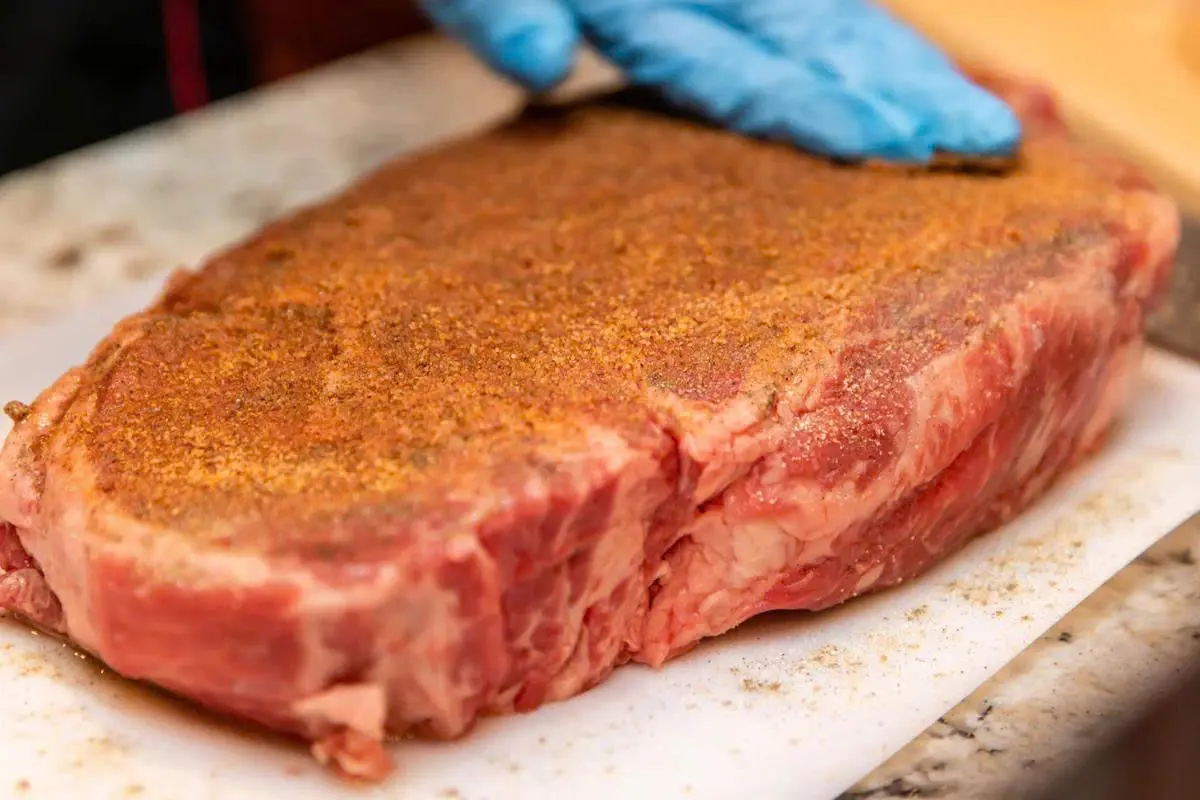
Marinating grilled meat so that it’s flavorful, juicy, tender, and aromatic is always a “challenge” for many BBQ lovers. In reality, a great grilled dish doesn’t depend solely on the marinade recipe—it’s also influenced by several other key factors such as choosing the right cut of meat, marinating time, and applying the appropriate grilling technique.
In this article, X-BBQ will guide you through a complete A–Z process: from selecting the most suitable meat for each marinade style, precisely timing the marinating and grilling stages, to introducing the top 4 “classic” grilled meat marinades that are loved by BBQ enthusiasts everywhere.
Guide to marinating meat for perfect grilling
1. Three key factors for marinating grilled meat that’s tender, juicy, and full of flavor
A good cut of meat for grilling needs a proper balance between lean meat and fat.
Too lean → the meat becomes dry and tough
Too fatty → it burns easily and becomes greasy quickly
Ideal ratios for flavorful grilled meat:
Beef: 80% lean – 20% fat (suitable for most grilled beef dishes)
Pork: 70% lean – 30% fat (especially pork belly)
Chicken: Choose thighs or wings to retain moisture better
Seafood: Select fresh, firm seafood and avoid marinating for too long
Understanding structure of meat
1.2. The four-layer seasoning principle for a perfect, authentic BBQ marinade
Every great BBQ marinade is built on four essential seasoning layers that work together to create depth, balance, and complexity of flavor.
Seasoning Layer
Main Function
Typical Examples
Salt Base
Helps the meat absorb seasoning and develop deep, savory flavor from the inside.
Salt, fish sauce, soy sauce
Aromatics
Enhance aroma and reduce unwanted odors.
Garlic, onion, ginger, lemongrass, black pepper
Sweetness
Creates an appealing caramelized color during grilling and balances flavors.
Sugar, honey, syrup
BBQ Flavor Base
Defines the grilling style and overall BBQ character (Asian / Western).
Paprika, chili powder, oyster sauce, American BBQ sauce
1.3. The “Marinate – Absorb – Rest” rule for deeper flavor and juicier meat
Marinate: Mix the seasonings thoroughly and gently massage them into the meat.
Absorb: Let the meat absorb the marinade for at least 20–30 minutes at room temperature (for seafood) or in the refrigerator.
Cold Rest: Marinating in the refrigerator allows the flavors to penetrate more deeply, helps the meat retain freshness, and ensures food safety.
2. Choosing the right meat – A crucial step for delicious grilled marinades
2.1. How to choose pork for tender, flavorful grilled meat
Pork belly: Rich in marbled fat, grills quickly; perfect for honey, five-spice, or Korean BBQ-style marinades.
Pork ribs: Best cooked using indirect grilling to achieve tenderness; well suited for bold marinades such as American BBQ sauce or sweet-and-spicy glazes.
Pork shoulder (Boston butt / picnic): Naturally tender with evenly distributed fat, absorbs marinades well; ideal for American, Korean, or rich, savory sauces.
2.2. How to choose beef for great grilled beef marinades
Tenderloin / Striploin: Ideal for quick grilling or steaks; simple seasoning with salt and pepper is enough to highlight the beef’s natural flavor.
Beef short ribs: Pair well with sweet-based marinades; require longer marinating time for deep flavor penetration.
Chuck eye / Flank steak: Easy to slice, excellent for dishes like Galbi or Bulgogi, where the marinade coats and penetrates every fiber.
2.3. How to choose chicken for juicy, flavorful grilling
Chicken thighs: Higher fat content and tender texture, perfect for longer grilling times or charcoal grilling.
Chicken wings: Great for spicy, honey-based, or classic BBQ marinades.
Chicken breast: Prone to drying out, so add milk, olive oil, or sesame oil to the marinade to help retain moisture.
2.4. Choosing the right seafood before marinating and grilling
Shrimp: Use light seasoning only; avoid too much salt as it draws out moisture quickly.
Squid: Include ginger, garlic, and lemongrass in the marinade to remove any fishy smell and enhance aroma.
Fish: Best suited for foil grilling, garlic butter sauce, or lemon butter sauce, which help the fish stay intact and retain moisture.
3. Standard marinade ratios for grilling any type of meat (per 1 kg)
To achieve perfectly grilled meat that isn’t too salty, too sweet, or too dry, follow this golden ratio below (applies to 1 kg of meat):
Seasoning Group
Standard Amount (per 1 kg meat)
Main Role
Salt / Fish sauce
1.5 – 2 teaspoons
Base savory flavor
Sugar / Honey
1.5 – 2 teaspoons
Color development and flavor balance
Minced garlic & onion
1 – 2 tablespoons
Aroma enhancement
Cooking oil / Sesame oil
1 tablespoon
Moisture retention, prevents sticking
Signature seasonings
1 – 3 tablespoons
Paprika, oyster sauce, BBQ sauce, etc.
This ratio works as a flexible foundation—adjust the signature seasonings to match the grilling style you prefer (American BBQ, Korean BBQ, or Asian-style grilling).
3.1. Seasonings that tenderize and lock in moisture for perfect grilled marinades
To keep grilled meat tender, juicy, and never dry, it’s essential to combine the right groups of seasonings that help tenderize, retain moisture, and protect the meat’s surface. These are professional BBQ chef secrets:
Unsweetened milk: Acts as a natural tenderizer, especially effective for chicken and chicken breast, helping soften the fibers and retain moisture during grilling.
Fruit juices (pear, kiwi, pineapple): Natural enzymes break down connective tissues, tenderizing meat quickly. Note: Marinate for no more than 10 minutes to avoid a mushy texture due to strong acidity.
Honey: Helps retain moisture while giving the grilled surface a beautiful gloss and appealing caramelized color. Add honey toward the final stage of marinating to prevent burning during grilling.
Cooking oil or vegetable oil: Forms a thin protective layer on the meat’s surface, locking in moisture, reducing moisture loss during grilling, and promoting even cooking.
4. Standard marinating times for each type of meat (Summary table)
Marinating time plays a critical role in allowing seasonings to penetrate the meat fibers without making the meat mushy or causing moisture loss. Refer to the standard guideline below:
Meat Type
Cut / Thickness
Minimum Time
Ideal Time
Pork
Pork belly, pork shoulder
30 minutes
3–4 hours
Beef
Steak, thin slices
15–30 minutes
6–12 hours (short ribs, Galbi, Bulgogi)
Chicken
Thighs, wings
1 hour
4–6 hours
Seafood
Shrimp, squid, fish
10 minutes
20–30 minutes (do not exceed)
Important marinating notes:
Avoid marinating too long, especially beef and chicken with acidic ingredients (fruit juice, vinegar, lemon), as this can cause the meat to become mushy.
Seafood should never be marinated for more than 30 minutes, as salt and acids will break down the texture and reduce elasticity.
Salt can be added at the beginning, but honey or sugar should be added toward the end to prevent burning during grilling.
Marinating in the refrigerator helps flavors penetrate more deeply while ensuring food safety.
5. Top 4 classic marinade recipes for perfect grilled meat (per 1 kg)
5.1. Honey-grilled pork (Vietnamese / Asian style)
Best for: Pork belly, pork shoulder
Ingredients (for 1 kg of meat):
60 ml (≈4 tbsp) fish sauce
40–50 g (≈3 tbsp) honey (increase up to 60 g if you prefer a sweeter profile)
30 ml (≈2 tbsp) oyster sauce – boosts umami and color
20–25 g (≈1½ tbsp) minced garlic
15–20 ml (≈1 tbsp) cooking oil (vegetable oil) – helps lock in moisture
1 tbsp ground black pepper
Method & marinating time:
Mix fish sauce, honey, oyster sauce, garlic, and oil into a smooth marinade.
Rub evenly over the meat and seal in a zip bag or airtight container.
Marinating time: Minimum 30 minutes; ideal 3–4 hours in the refrigerator. If marinating overnight, do not exceed 8 hours with moderate salt levels.
Pro tip: If grilling over high heat, add honey toward the end of marinating or brush it on during the final 5–10 minutes of grilling to achieve a glossy, caramelized finish without burning.
Best for: Beef short ribs, chuck eye, collagen-rich cuts
Ingredients (for 1 kg of meat):
Dry rub:
20 g (≈2 tbsp) brown sugar
15 g (≈1½ tbsp) kosher salt (or sea salt)
10 g (≈1 tbsp) paprika (smoked paprika for a smoky note)
5–10 g (≈1–2 tsp) ground black pepper
5 g (≈1 tsp) garlic powder
5 g (≈1 tsp) onion powder (optional)
BBQ sauce (optional for glazing):
120–150 g store-bought BBQ sauce or homemade sauce (ketchup + brown sugar + Worcestershire sauce + apple cider vinegar + spices)
Method & marinating time:
Coat the meat evenly with the dry rub, gently massaging it in.
Marinating time: Minimum 15–30 minutes; ideal 6–12 hours, especially for short ribs. Overnight dry-rubbing works best for smoking.
During grilling or smoking, brush BBQ sauce on in the final 10–15 minutes to prevent sugars from burning.
Chef’s note: Dry rubs highlight the natural beef flavor, while sauce adds shine and signature BBQ character. Collagen-rich beef cuts benefit from slow cooking—use indirect grilling or pre-steaming for optimal tenderness when grilling over charcoal.
20 g (≈1½ tbsp) sugar (or 20–30 g rice syrup/corn syrup if making sauce)
1–2 cloves garlic, minced (≈1 tbsp)
1 tsp minced ginger or ginger powder (optional)
1 tbsp cornstarch or all-purpose flour (optional, helps sauce cling—commonly used when frying)
Yangnyeom sauce (for glazing or tossing after grilling/frying):
80–100 g gochujang (¼–⅓ cup), adjust to preferred spice level
60 g ketchup (≈¼ cup)
40–60 g honey or corn/rice syrup (≈2–3 tbsp)
2 tbsp soy sauce
1 tbsp sesame oil
2–3 cloves garlic, minced
1 tbsp vinegar
1–2 tbsp cornstarch mixed with water (optional, to thicken the sauce)
Method & marinating time:
Combine all pre-marinade ingredients and marinate the chicken for at least 30 minutes to 1 hour; for deeper flavor, marinate 2–4 hours.
Grill or fry the chicken until nearly cooked through. Simmer the Yangnyeom sauce, then brush or toss the chicken in the sauce and return to the heat for 2–4 minutes to allow the glaze to set.
Chef’s note: Traditional Yangnyeom recipes use a rich sauce applied at the final stage, helping prevent sugar and caramelization from burning while delivering a glossy, bold finish.
5.4. Garlic butter green pepper seafood – for shrimp & squid
Best for: Shrimp, squid, and quick-grilling seafood
Ingredients (for 1 kg of seafood):
60–80 g butter (≈4–6 tbsp), melted
3–4 cloves garlic, minced (adjust to size)
1–2 tsp crushed green peppercorns (or ground black pepper if unavailable)
½–1 tsp salt (adjust based on shrimp size)
1–2 tbsp fresh lemon juice (adds light acidity)
1–2 tbsp olive oil or cooking oil (for quick marination)
Method & marinating time:
Mix melted butter with garlic, pepper, salt, lemon juice, and oil.
Lightly marinate the seafood: shrimp 10–20 minutes, squid 10–15 minutes, fish fillets 10–20 minutes. Do not exceed 30 minutes to preserve texture and elasticity.
Grill or pan-sear quickly over high heat for a few minutes per side. During grilling, brush with extra garlic butter in the final 30–60 seconds to boost aroma and richness.
Chef’s note: Seafood should be marinated briefly because salt, acid, and natural enzymes begin to “pre-cook” and break down proteins. Garlic butter enhances richness and delivers a signature, irresistible aroma.
6. Professional BBQ grilling tips & common mistakes to avoid
Tips for flavorful, evenly grilled meat (Without burning)
Color control: Use only a small amount of sugar or honey at the beginning. Brush on larger amounts during the final 5 minutes of grilling for a beautiful caramelized finish.
Moisture retention: Add cooking oil to the marinade to coat the meat, enhance shine, and help lock in juices.
Resting the meat: Let grilled meat rest for 5–10 minutes before serving so the juices redistribute, resulting in a more tender bite.
Common mistakes that ruin grilled meat
Over-salting: Salt draws out moisture, making meat dry and tough.
Adding sugar or honey too early: Causes the exterior to burn before the inside is fully cooked.
Using too much liquid sauce: Turns grilling into “boiling,” preventing proper searing and caramelization.
Marinating together: Avoid marinating seafood and red meat together to prevent odor transfer and cross-contamination.
Conclusion
X-BBQ has summarized the golden principles for creating perfectly balanced grilled dishes—from choosing the right cuts of meat and pairing them with suitable seasonings to applying precise marinade ratios for each recipe. When these techniques are used correctly, you can easily achieve juicy, flavorful BBQ results that rival restaurant-quality dishes.
X-BBQ hopes this guide becomes your go-to BBQ “pocket handbook,” giving you the confidence to fire up the grill and elevate every backyard barbecue or home grilling feast


 Tiếng Việt