
No products in the cart.

 Tiếng Việt
Uncategorized @vi
How to Marinate Meat for Juicy, Tender BBQ Perfection
“How to marinate meat for juicy, tender BBQ” is something every BBQ lover wants to master. But achieving perfectly grilled meat isn’t just about the marinade recipe – it also depends on choosing the right cut of meat, controlling the grilling temperature for each type of meat, and even the design of the grill you use. A grill that maintains stable heat and distributes it evenly will help the meat cook beautifully, stay juicy, and preserve its full flavor. In this article, X-BBQ will share everything from selecting the best cuts of meat and mastering flavorful marinades to controlling grill temperature and choosing the right BBQ equipment, helping you create restaurant-quality grilled meat that is tender, juicy, and packed with flavor.
How to Choose the Right Meat for Juicy, Tender BBQ
To master how to marinate meat for delicious BBQ, choosing the right cut of meat is just as important as the marinade itself. Meat with a balanced ratio of lean meat and fat will stay juicy and tender instead of becoming dry after grilling.
Choosing Pork for BBQ
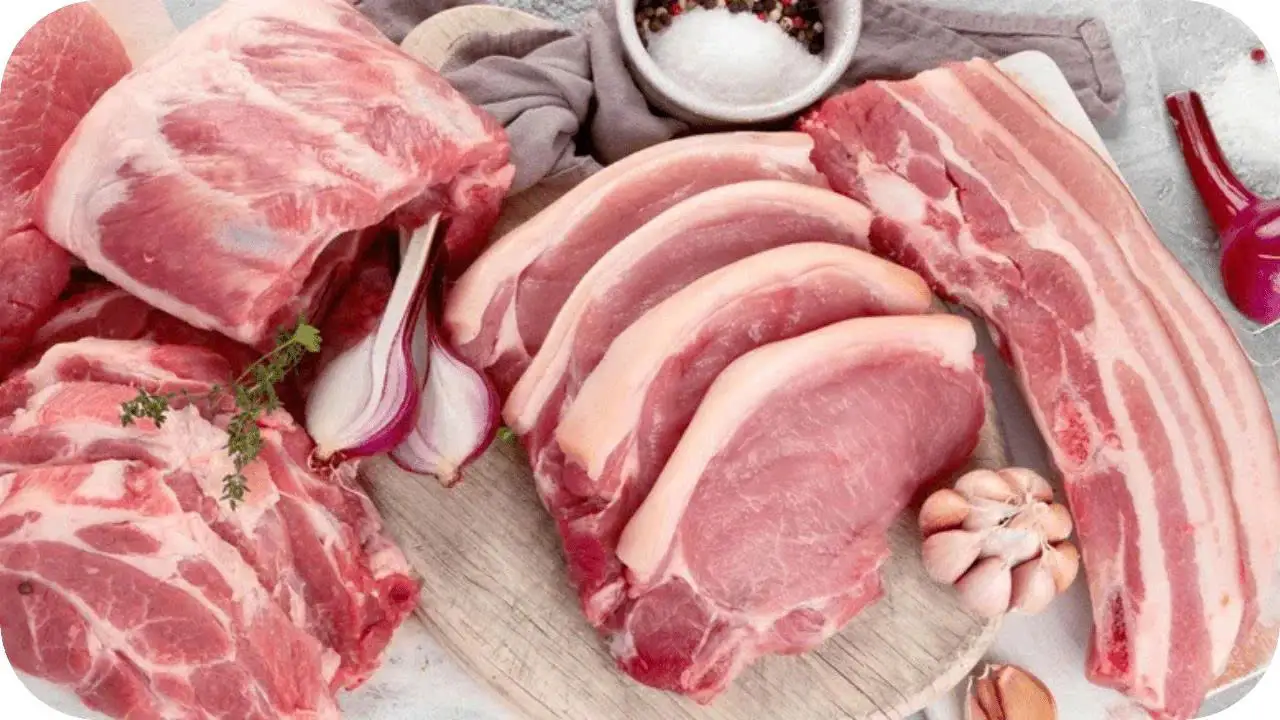
Some of the best pork cuts for BBQ grilling include:
- Pork belly: Features alternating layers of lean meat and fat, making the meat rich, juicy, and flavorful when grilled.
- Pork shoulder: Tender texture with a slight chewiness and excellent moisture retention.
- Pork ribs: Absorb marinades well and develop a delicious smoky flavor when charcoal grilled.
When choosing pork for BBQ, prioritize cuts with thin, evenly distributed layers of fat. The right balance of lean meat and fat helps the meat stay juicy and prevents it from drying out during grilling.
Choosing Beef for BBQ
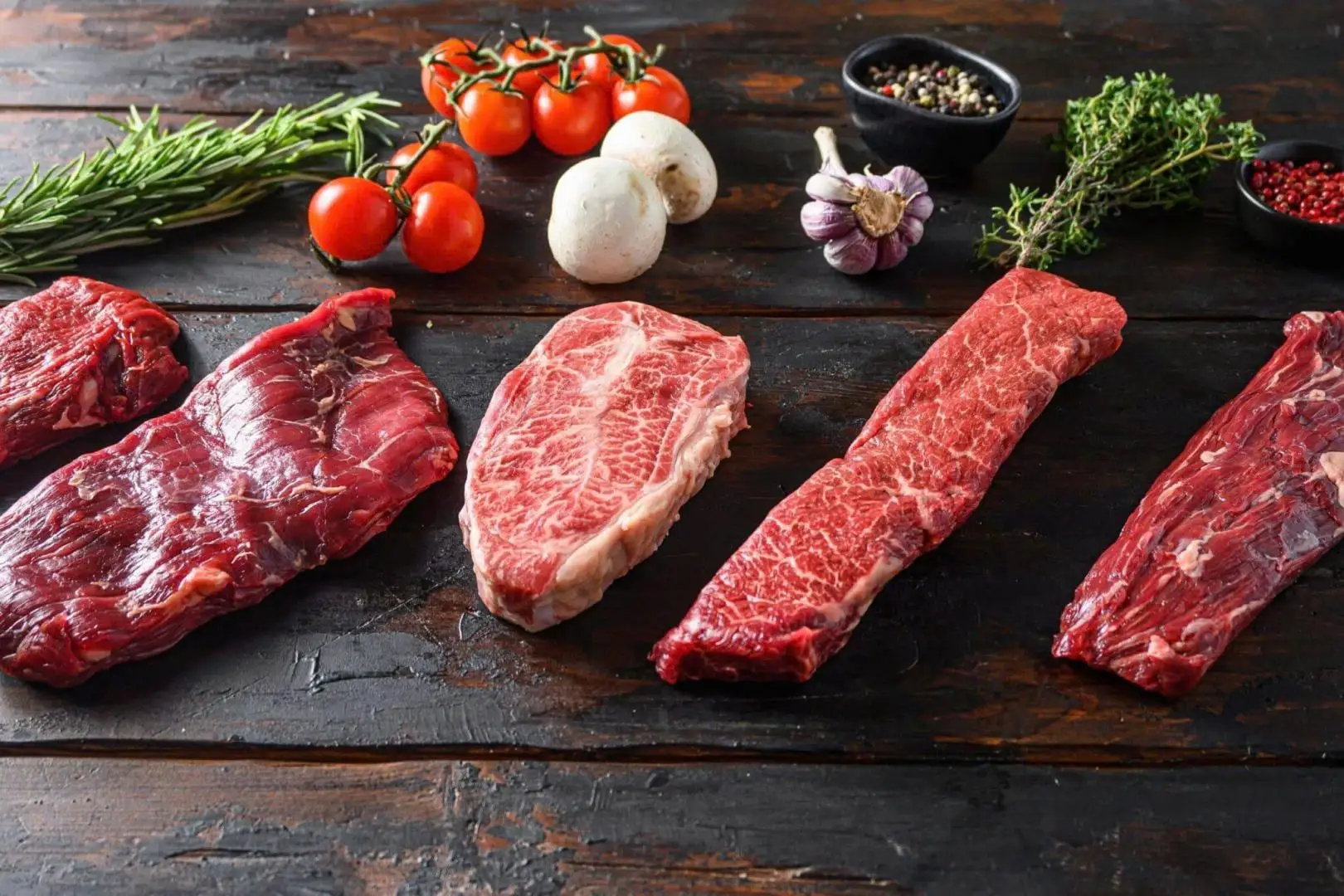
For grilled beef, some of the most popular cuts include:
- Beef short plate: Tender meat with beautiful marbling and rich flavor.
- Beef belly: Lightly fatty and especially flavorful when charcoal grilled.
- Chuck eye / shoulder tender: Tender texture, ideal for steaks or BBQ grilling.
If you’re grilling over charcoal, it’s best to choose beef cuts with good marbling to prevent the meat from drying out under high heat. For steaks or grills with a lid that maintain stable heat, cuts like chuck eye or ribeye will deliver a juicier and more tender result.
Choosing Chicken for BBQ
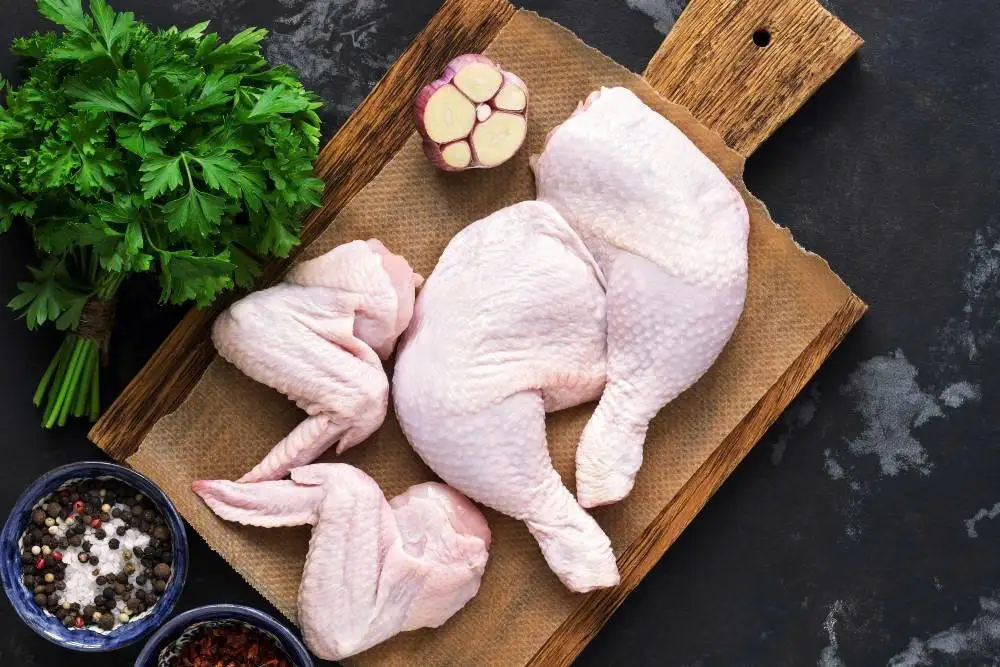
Some of the best chicken cuts for grilling include:
- Chicken thighs: Tender, juicy, and full of flavor.
- Chicken wings: Absorb marinades well and develop crispy, flavorful skin when grilled.
- Whole chicken: Perfect for BBQ parties or outdoor grilling.
Cuts with skin and natural fat tend to taste better on the grill because they help retain moisture during cooking. As the fat renders while grilling, the meat becomes juicier, more tender, and much more flavorful.
Important Principles for Marinating BBQ Meat
To truly master how to marinate meat for delicious BBQ, you need more than just a good recipe. Understanding flavor balance and the right marinating time for each type of meat is equally important. Proper marination helps the meat absorb flavor, stay juicy, and avoid drying out during grilling.
Balancing Flavors in a BBQ Marinade
A great BBQ marinade should include a balanced combination of different flavor elements:
- Salty flavor: Usually comes from fish sauce, salt, or soy sauce to enhance the meat’s savory taste.
- Sweet flavor: Sugar, honey, or condensed milk helps create a beautiful caramelized color and balanced flavor.
- Aromatic flavor: Garlic, onions, lemongrass, pepper, and herbs make grilled dishes more fragrant and appetizing.
- Richness: Cooking oil, butter, or oyster sauce helps the meat stay tender and juicy.
- Spicy flavor: Chili, satay paste, or black pepper adds boldness and stimulates the appetite.
When these flavors are combined properly, grilled meat becomes more flavorful and enjoyable without tasting overpowering.
Why You Shouldn’t Over-Salt Your Marinade
Many people think stronger seasoning means tastier BBQ, but over-seasoning with salt can actually dry out the meat. Salt draws moisture out of the meat, and using too much can cause the meat to lose its natural juiciness during grilling.
In addition, marinades with excessive sugar or thick sauces can burn quickly over high heat. This often results in meat that is burnt on the outside while still undercooked inside.
For the best results, season moderately to preserve the meat’s natural flavor and tenderness.
How Long Should You Marinate Meat?
Different types of meat require different marinating times:
- Pork: Marinate for 2–4 hours so the seasoning can absorb evenly.
- Beef: Marinate for only 30 minutes to 2 hours to maintain its natural tenderness.
- Seafood: 15–30 minutes is enough because seafood absorbs flavor very quickly.
- Chicken: Marinate for 2–6 hours so the seasoning penetrates deeper into the meat.
Avoid marinating tender meats for too long, as it can break down the meat structure and make the texture mushy.
Should You Marinate Meat Overnight?
Marinating overnight can help flavors penetrate deeper and create a richer taste, especially for BBQ dishes that require longer cooking times, such as pork ribs or whole chicken.
However, not every type of meat should be marinated overnight. For beef or seafood, over-marinating may reduce freshness and make the texture tough or mushy after grilling.
If you plan to marinate overnight, always store the meat in the refrigerator and avoid using too much salt or acidic ingredients like lemon juice or vinegar, as they can dry out the meat.
How to Marinate Different Types of Meat for BBQ
Each type of meat works best with different seasonings and marinating techniques. Choosing the right marinade not only enhances flavor but also helps keep the meat juicy, tender, and aromatic after grilling.
Pork BBQ Recipe
For BBQ pork, cuts like pork belly, pork shoulder, or pork ribs are ideal because they have a balanced ratio of lean meat and fat, helping the meat stay juicy after grilling.
Basic BBQ Pork Marinade Recipe
Ingredients for 1kg of pork:
- 2 tbsp fish sauce
- 1 tbsp oyster sauce
- 1 tbsp honey or brown sugar
- 1 tbsp minced garlic
- 1 tsp black pepper
- 1 tbsp cooking oil
- 1 tsp MSG (optional)
- 1 tsp soy sauce
Marinating Instructions
- Wash the pork thoroughly and pat dry.
- Combine all the seasonings in a bowl and mix well.
- Gently massage the marinade into the meat so every piece is evenly coated.
- Cover and refrigerate for 2–4 hours.
After marinating, the pork will absorb the flavors more deeply and develop a beautiful color when grilled.
Tips for Juicy and Tender Grilled Pork
- You can add about 2 tbsp of unsweetened fresh milk or 1 tbsp of cooking oil to help retain moisture in the meat.
- Avoid slicing the pork too thin, as it can dry out quickly during grilling.
- Grill over medium heat, around 180–220°C, so the meat cooks evenly inside without burning on the outside.
- When using a charcoal grill, avoid placing the meat too close to the flames to reduce charring and help the meat retain its juices.
Korean-Style Grilled Pork Belly Marinade
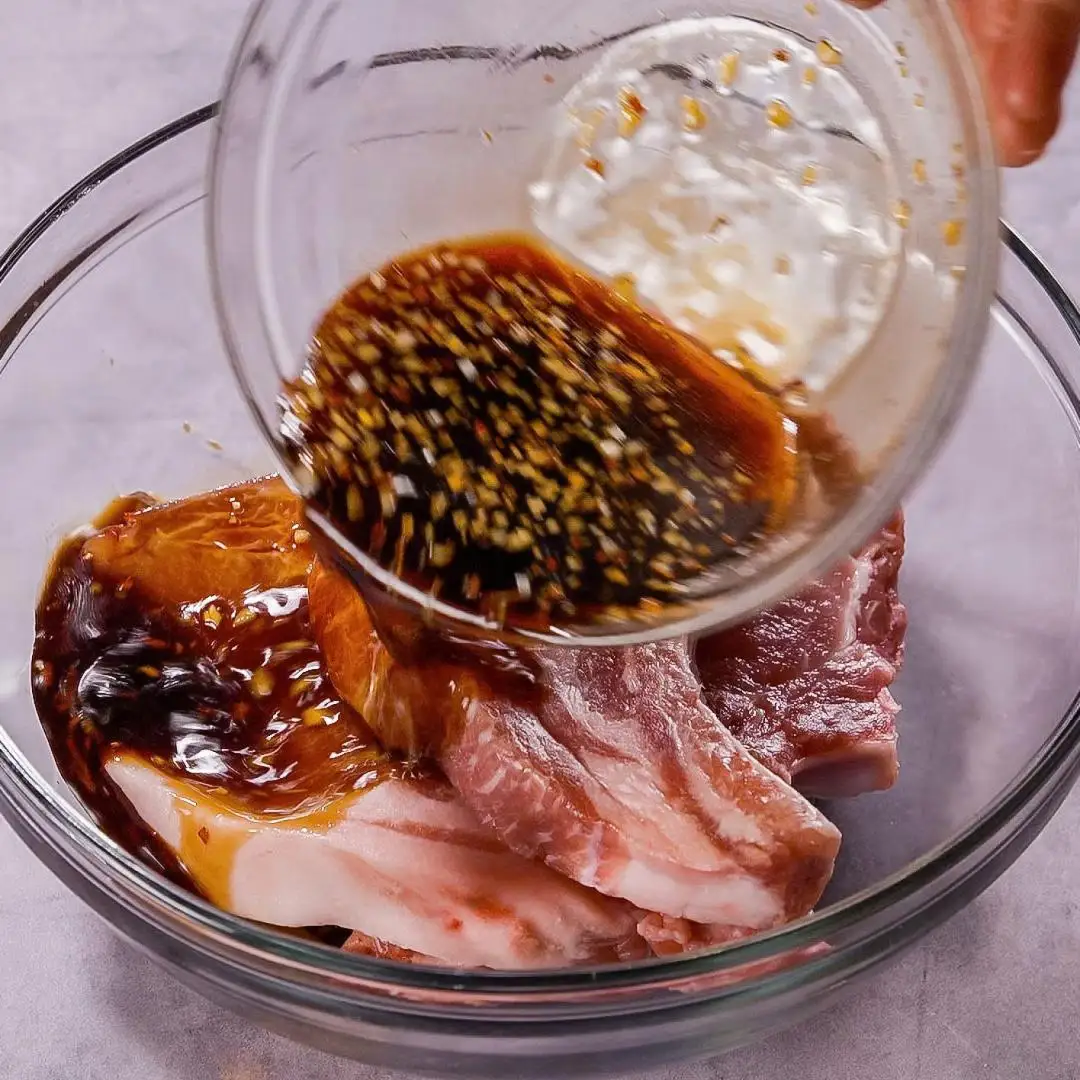
Korean-style grilled pork belly is known for its mildly spicy, rich, and savory flavor. Since pork belly contains alternating layers of lean meat and fat, it becomes incredibly juicy and flavorful when paired with Korean-style sauce and grilled over charcoal.
Ingredients for 1kg of Pork Belly
- 2 tbsp gochujang (Korean chili paste)
- 2 tbsp soy sauce
- 1 tbsp honey
- 1 tbsp minced garlic
- 1/2 tbsp sesame oil
- 1 Korean pear, blended or grated
- 1 tsp toasted sesame seeds
- 1/2 tsp black pepper
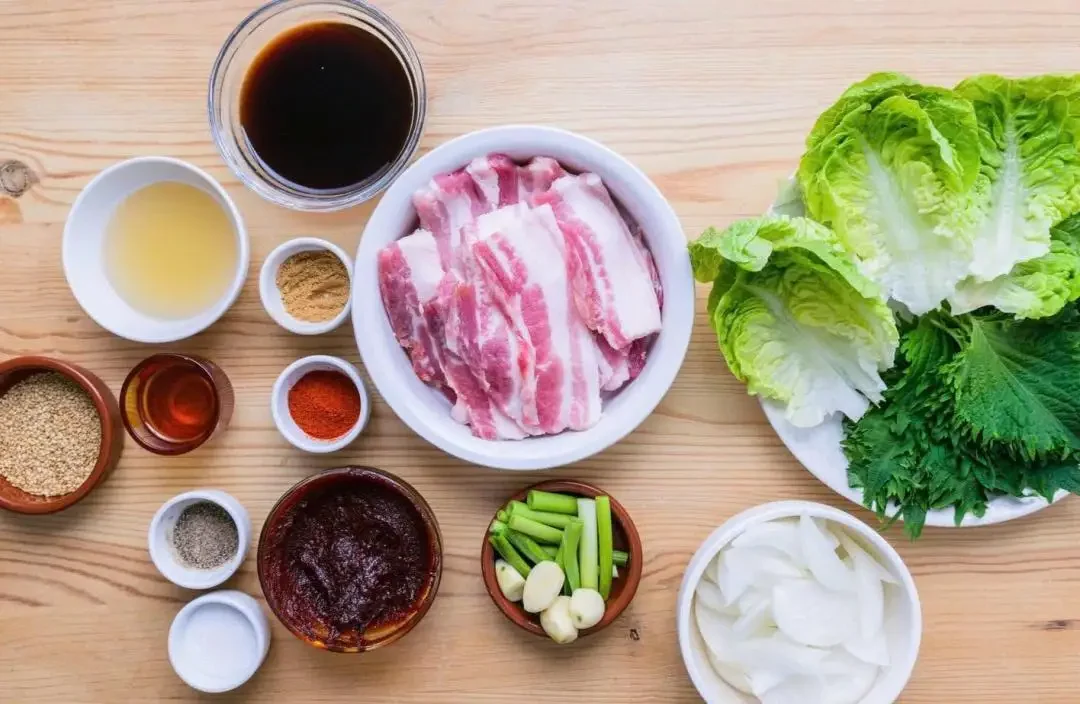
Marinating Instructions
- Wash the pork belly thoroughly and slice into bite-sized pieces.
- Mix all the ingredients together to create the marinade sauce.
- Add the pork belly and gently massage the marinade into the meat for about 2–3 minutes.
- Marinate in the refrigerator for 1–2 hours.
Why Use Blended Korean Pear?
Blended Korean pear naturally tenderizes the meat thanks to its natural enzymes. It also adds a light sweetness and helps the meat absorb the marinade more effectively during grilling.
Beef Grilled Recipe
Beef works best with simple marinades that preserve its natural sweetness and rich flavor. Using too many strong seasonings can overpower the meat’s signature aroma and taste.
Ingredients for 1kg of Beef
- 1 tsp salt
- 1 tsp ground black pepper
- 1 tbsp melted butter
- 1 tbsp minced garlic
- 1 tsp finely chopped rosemary
- 1 tbsp olive oil or cooking oil
Marinating Instructions
- Pat the beef dry so the seasoning adheres better to the surface.
- Mix all the ingredients together and evenly coat the meat with the marinade.
- Marinate in the refrigerator for 30 minutes to 2 hours.
Tips for Marinating Beef
- Avoid marinating beef for too long, as salt can draw out moisture and make the meat dry or tough.
- Let the meat sit at room temperature for about 20 minutes before grilling to ensure even cooking.
- For steaks, grill over high heat to create a beautiful crust while keeping the inside juicy and tender.
Grilled Crispy Chicken Recipe
Perfect grilled chicken should have crispy golden skin on the outside while remaining juicy and tender inside.
Ingredients for 1kg of Chicken
- 2 stalks lemongrass, finely minced
- 1 tbsp honey
- 1 tbsp oyster sauce
- 1 tbsp minced garlic
- 1 tsp five-spice powder
- 1 tsp fish sauce
- 1 tbsp cooking oil
- 1/2 tsp black pepper
Marinating Instructions
- Wash the chicken thoroughly and pat dry.
- Mix all the seasonings together, then evenly coat the chicken, including both the meat and the skin.
- Marinate for 2–6 hours so the flavors can fully penetrate the meat.
How to Keep Chicken Skin from Burning
- Grill over medium heat, around 180–200°C.
- Brush additional honey onto the chicken only during the final stage of grilling to prevent burning.
- Using a covered grill can help distribute heat more evenly, resulting in crispier and more beautifully browned skin.
Grilled Seafood Recipe
Grilled seafood usually works best with simple marinades that enhance and preserve the natural sweetness of the seafood.
Garlic Chili Sauce Recipe for 1kg of Seafood
- 1 tbsp minced garlic
- 1 tbsp satay chili paste
- 1 tbsp melted butter
- 1 tbsp fish sauce
- 1 tsp sugar
- 1 fresh chili, finely chopped
Marinating Instructions
- Clean the seafood thoroughly and pat dry.
- Mix all the ingredients together evenly.
- Marinate the seafood for 15–30 minutes before grilling.
Tips for Marinating Seafood
- Avoid marinating seafood for too long, as it can quickly become mushy.
- Grill over medium heat to preserve the seafood’s natural sweetness.
- Brush additional garlic butter onto the seafood while grilling to enhance the aroma and richness.
Secrets to Keeping Grilled Meat Juicy and Tender
Besides using a great BBQ marinade, grilling technique plays a major role in how juicy and tender the final result turns out. Even with high-quality meat and the perfect marinade, poor heat control or incorrect grilling methods can still make the meat dry and tough. Below are the key secrets to keeping grilled meat flavorful, juicy, and perfectly tender.
Control the Grilling Temperature
Temperature is the most important factor when grilling meat. If the heat is too high, the outside will burn before the inside cooks through. On the other hand, heat that is too low can dry out the meat because it loses moisture during the longer cooking process.
High Heat for Searing the Surface
At the beginning of grilling, use high heat around 220–250°C to create a beautiful seared crust on the outside. This step quickly caramelizes the surface, locks in juices, and creates an irresistible smoky aroma.
This method works especially well for:
- Beef steaks
- Beef short plate or beef belly
- BBQ ribs
Medium Heat for Even Cooking Inside
Once the surface is nicely seared, reduce the heat to around 180–200°C so the inside cooks slowly while staying juicy and tender.
For thicker cuts such as:
- Whole chicken
- Pork ribs
- Large BBQ meat cuts
It’s best to use indirect heat or a covered grill so the heat circulates more evenly.
Don’t Flip the Meat Too Often
One of the most common grilling mistakes is flipping the meat repeatedly out of fear of burning it. However, this actually causes the meat to lose more moisture and prevents a proper crust from forming.
Flipping too often can:
- Cause juices to escape more quickly
- Make the meat dry and tough
- Prevent a beautiful grilled crust from developing
In most cases, you should only flip the meat 1–2 times during grilling, depending on the thickness of the cut.
Tips to Keep Meat Juicier
- Flip the meat only when the underside is nicely browned and naturally releases from the grill grates.
- Avoid piercing the meat with a fork, as this allows juices to escape.
Let the Meat Rest After Grilling
Many people cut into the meat immediately after grilling, causing a large amount of juice to run out. This is one of the main reasons grilled meat becomes dry so quickly.
During grilling, the meat juices concentrate toward the center because of the heat. Letting the meat rest for a few minutes allows those juices to redistribute evenly throughout the meat.
Recommended Resting Times
- Beef steak: 5–10 minutes
- Grilled pork: 3–5 minutes
- Whole grilled chicken: 10–15 minutes
Resting meat properly helps it stay more tender, juicy, and flavorful when served.
Common Mistakes When Marinating and Grilling Meat
Even with a great BBQ marinade recipe, many people still end up with dry, burnt, or bland meat because of common mistakes during the marinating and grilling process. Below are the most common errors you should avoid to keep your BBQ juicy, tender, and flavorful.
Using Too Much Sugar in the Marinade
Sugar, honey, and sweet sauces help create a beautiful caramelized color and balanced flavor. However, using too much can cause the meat to burn quickly over high heat.
Common problems include:
- The outside burns before the inside is fully cooked
- The meat develops a bitter, burnt taste
- It becomes difficult to control color when grilling over charcoal
For every 1kg of meat, you should only use approximately:
- 1–2 tbsp honey
or - 1 tbsp brown sugar
If you want to brush on additional sweet sauce, do it during the final stage of grilling when the meat is almost done.
Grilling Over Excessively High Heat
Many people think high heat cooks meat faster, but in reality, it’s one of the main causes of dry and burnt BBQ.
Excessive heat can:
- Cause juices to evaporate too quickly
- Burn the outside while leaving the inside undercooked
- Create bitter smoke from burnt seasoning and dripping fat
The ideal grilling temperature is usually:
- 180–220°C for most BBQ dishes
- 220–250°C only for quickly searing steaks
When using a charcoal grill, maintain a proper distance between the grill grate and the charcoal to avoid overly intense heat.
Cutting the Meat Too Thin
Meat slices that are too thin lose moisture very quickly during grilling, especially pork and beef.
Recommended Thickness for Grilling
- Pork belly: about 0.5–1cm
- Beef steak: about 2–4cm
- Chicken: best grilled in larger pieces to retain moisture
Properly sized cuts allow the outside to develop a beautiful crust while keeping the inside juicy and tender.
Not Letting the Meat Rest Before and After Grilling
Many people place meat directly from the refrigerator onto the grill or cut it immediately after cooking. Both are common mistakes that can make the meat dry.
Before Grilling
Let the meat sit at room temperature for:
- 15–30 minutes before grilling
This helps the meat cook more evenly and reduces temperature shock.
After Grilling
Allow the meat to rest for:
- 3–5 minutes for pork
- 5–10 minutes for beef steak
Resting helps redistribute the juices evenly throughout the meat, keeping it tender and juicy when sliced.
Using a Grill with Unstable Heat
Your grilling equipment also has a major impact on BBQ quality. Grills with poor heat retention or uneven heat distribution can cause the meat to:
- Burn on one side
- Dry out on the surface
- Cook unevenly
A grill with stable temperature control and good heat retention will help:
- Cook meat more evenly
- Preserve juiciness and tenderness
- Make it easier to control doneness for different types of meat
This is also why covered BBQ grills and Argentine grills are commonly preferred by professional steakhouses and BBQ restaurants.
